 英语
 西班牙语
 俄语
 土耳其语
 阿拉伯语
 法语
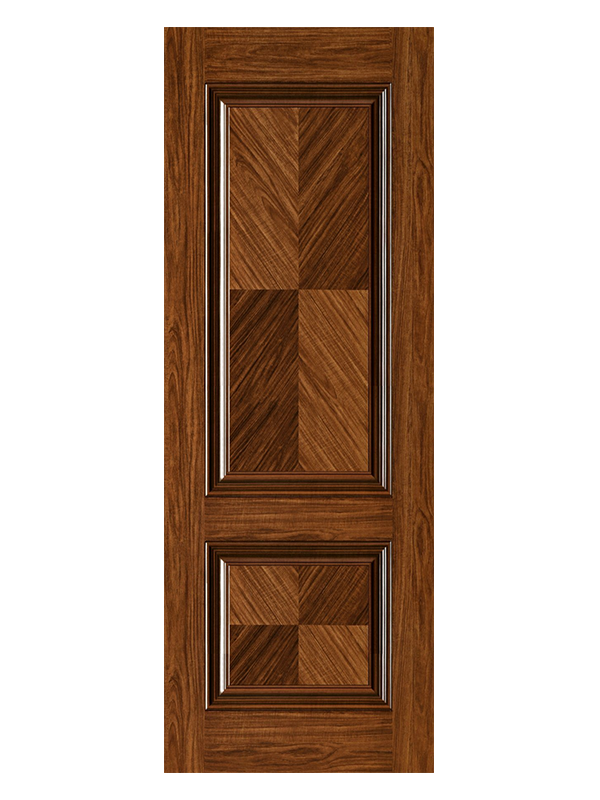
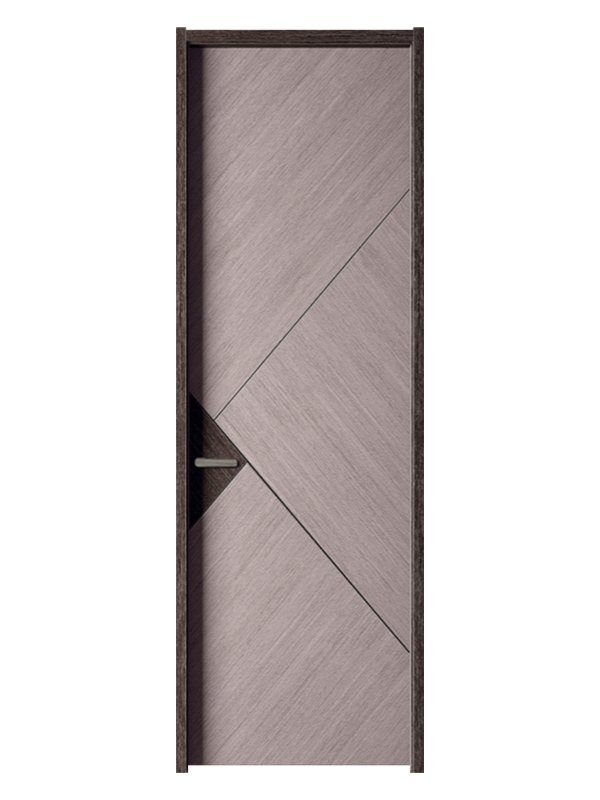
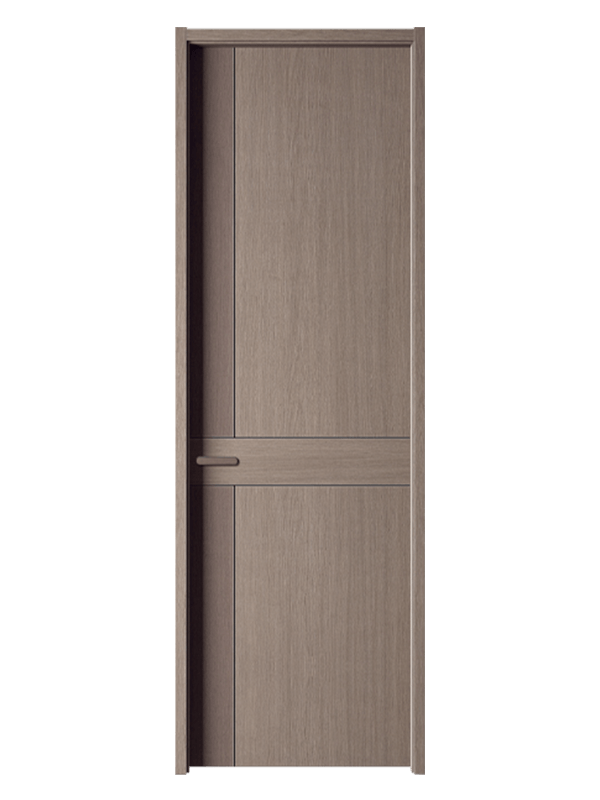
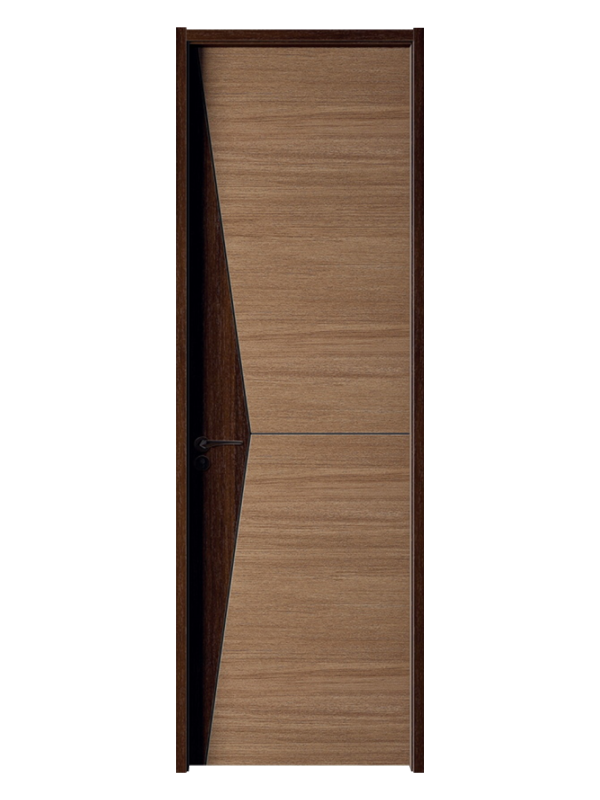
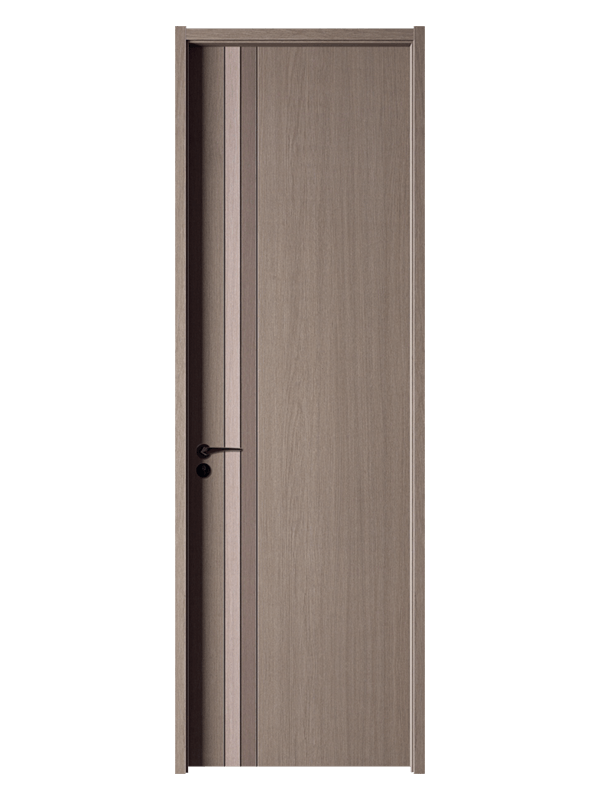
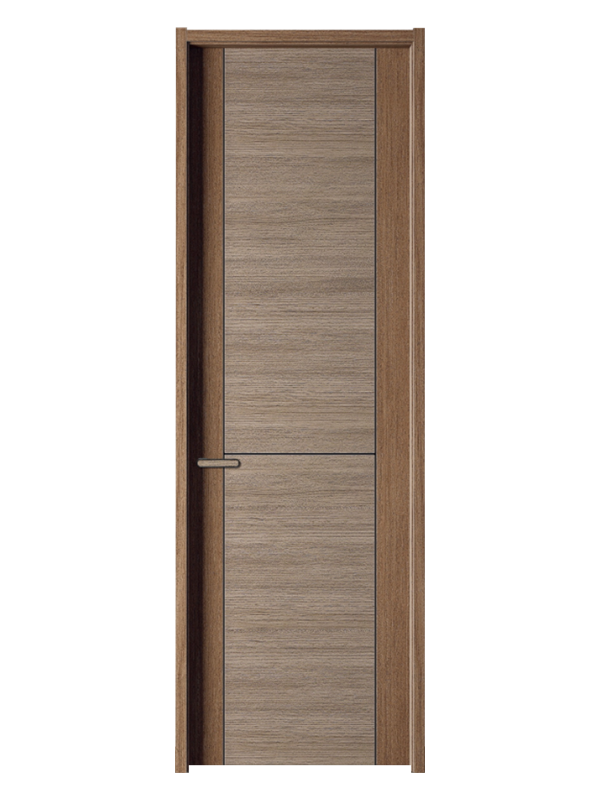
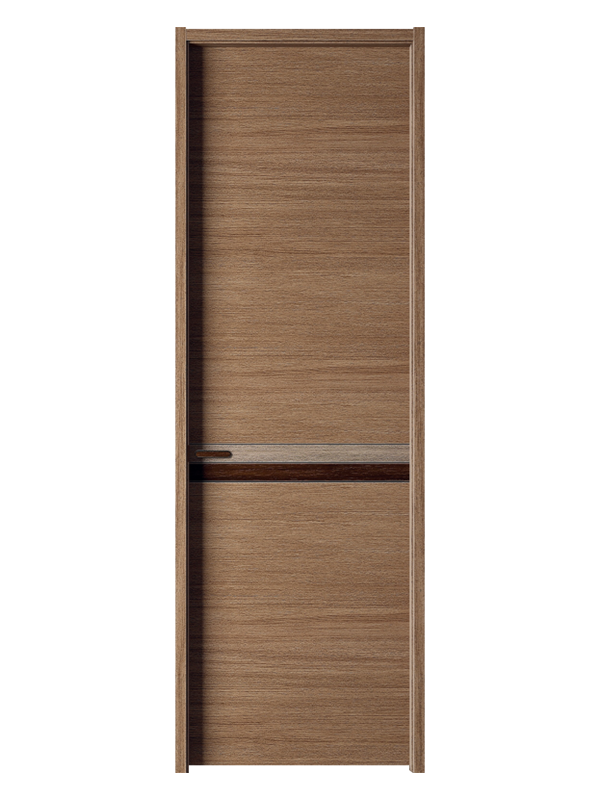
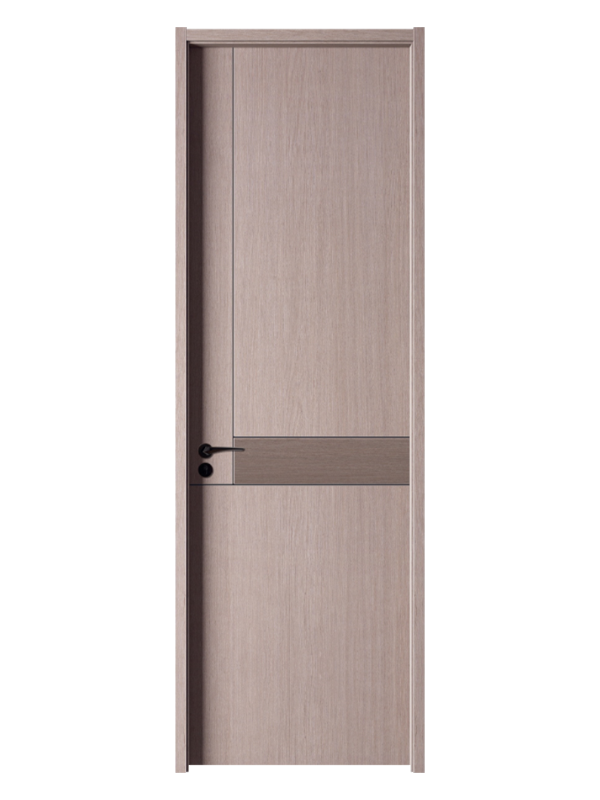
You know the look. Warm tones, natural grain, the texture of real wood. A wooden grain door for interior spaces gives you that look without the problems of solid timber. The surface carries a printed wood grain pattern, embossed to feel like the real thing. The door is made from engineered materials that won't warp or crack. It looks like wood, feels like wood, but doesn't act like wood. Wooden grain door for interior manufacturers produce doors that bring natural warmth to any room without the maintenance headaches of solid timber.
The Printed Grain That Makes It Look Authentic
High-resolution printing replicates the look of real wood species
The grain pattern is printed onto the door surface, not painted or stained. A wooden grain door for interior manufacturer uses high-resolution printing to replicate oak, walnut, cherry, or mahogany. The grain flows continuously across the door without repeating patterns or obvious seams. The print quality determines how real the door looks—cheap printing looks fake, good printing fools the eye.
The surface is embossed so you can feel the wood structure
Printing alone isn't enough. A wooden grain door for interior manufacturer embosses the surface so the texture follows the printed grain. Run your hand across the door and you feel the wood structure—the raised grain, the subtle ridges, the natural feel of real timber. The embossing has to be registered with the printed pattern, or it looks wrong.
The color stays consistent from door to door and edge to edge
Wood grain doors come in a range of finishes, from light oak to dark walnut. A wooden grain door for interior manufacturer controls the printing process to ensure consistent color across the entire surface. No fade at the edges, no variation between doors in the same order. Batch-to-batch consistency matters when you're installing dozens of doors in one project.
Common specs for wooden grain doors:
- Surface: printed wood grain + embossed texture
- Core: MDF, particleboard, honeycomb
- Wood species: oak, walnut, cherry, mahogany, custom
- Finish: melamine, laminate, or veneer
- Fire rating: available
- Acoustic performance: available
- Sizes: standard and custom
The Core That Keeps the Door Straight and Quiet
Engineered wood cores resist warping and movement
Solid wood moves with humidity changes. It expands, contracts, warps, and cracks. A wooden grain door for interior manufacturer uses engineered wood cores—MDF, particleboard, or a timber frame with honeycomb infill—that stay flat and straight regardless of the weather. The core is the reason the door still closes properly years after installation.
The door doesn't swell or shrink with humidity changes
Wood expands and contracts with moisture changes. A wooden grain door for interior manufacturer uses stable materials that don't absorb moisture. The door stays the same size, the frame stays square, and the gaps stay consistent. No sticking, no binding, no adjustments.
Acoustic and fire-rated cores add performance beyond appearance
Doors need to do more than just look good. A wooden grain door for interior manufacturer offers cores with acoustic properties that block sound and fire-rated cores that meet building codes. A solid core door blocks noise between rooms. A fire-rated door contains flames and smoke in an emergency.
Where Wooden Grain Doors Belong
Residential interiors and room dividers
Homeowners want warmth and character without the maintenance of real wood. A wooden grain door for interior manufacturer provides doors that look like wood but don't need sanding, sealing, or refinishing. They go in bedrooms, living rooms, studies, and closets.
Hotels and hospitality projects
Guest rooms need doors that are quiet and attractive. A wooden grain door for interior manufacturer supplies doors with acoustic cores that keep hallway noise out of rooms. The consistent wood grain finish matches the hotel's design aesthetic.
Offices and professional spaces
Commercial interiors need doors that look good and hold up to daily use. A wooden grain door for interior manufacturer produces doors with durable finishes that resist scratches, dents, and fingerprints.
Retail and showroom environments
Brands use wood finishes to create a warm, inviting atmosphere. A wooden grain door for interior manufacturer supplies doors that match the design intent and stand up to high-traffic retail use.
The Details That Separate a Good Door from a Great One
The embossing has to match the printed grain
If the texture doesn't align with the printed pattern, the door looks wrong. A wooden grain door for interior manufacturer should register the embossing with the print so the raised grain follows the visual grain. Get this right and the door fools the eye. Get it wrong and it looks cheap.
Edge banding has to match the surface finish
The edges of the door are exposed. A wooden grain door for interior manufacturer should apply edge banding that matches the surface finish exactly. Mismatched edges ruin the illusion of a solid wood door.
The color has to match across the entire installation
Doors installed side by side need to look the same. A wooden grain door for interior manufacturer should control the printing process so every door in an order has the same color and grain pattern. Variations are unacceptable in commercial projects.
The surface finish has to resist scratches and wear
Doors get touched, bumped, and scuffed. A wooden grain door for interior manufacturer should use durable finishes that hold up to daily use. Melamine and laminate surfaces resist scratches better than painted finishes.
A wooden grain door for interior gives you the look of wood without the problems. The printed wood grain looks real, the embossed texture feels real, and the engineered core stays flat. Wooden grain door for interior manufacturers build doors that bring warmth to any space without the maintenance that real wood demands. That's what makes them useful. That's what makes them the standard for modern interiors.