 英语
 西班牙语
 俄语
 土耳其语
 阿拉伯语
 法语
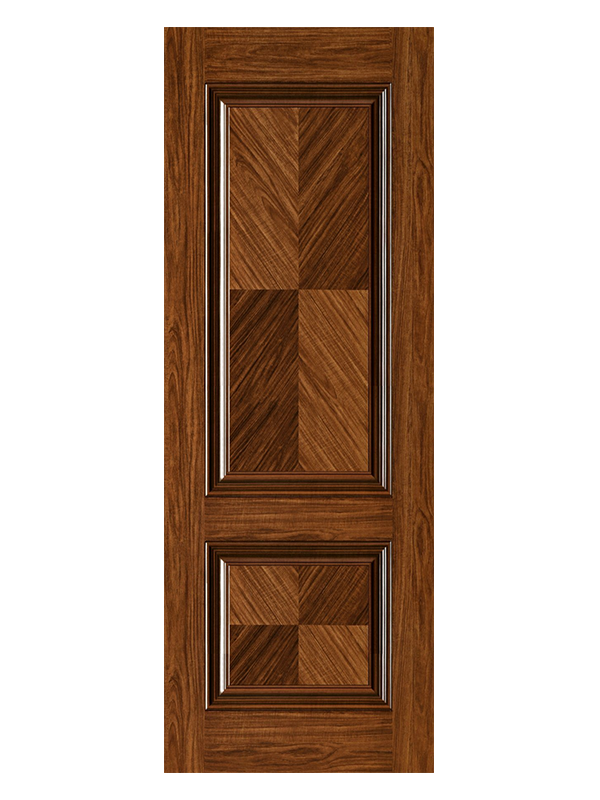
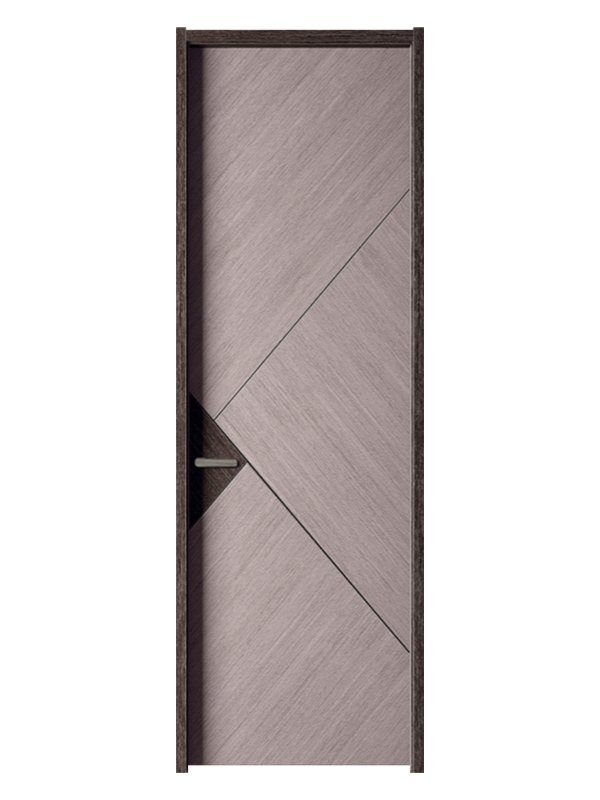
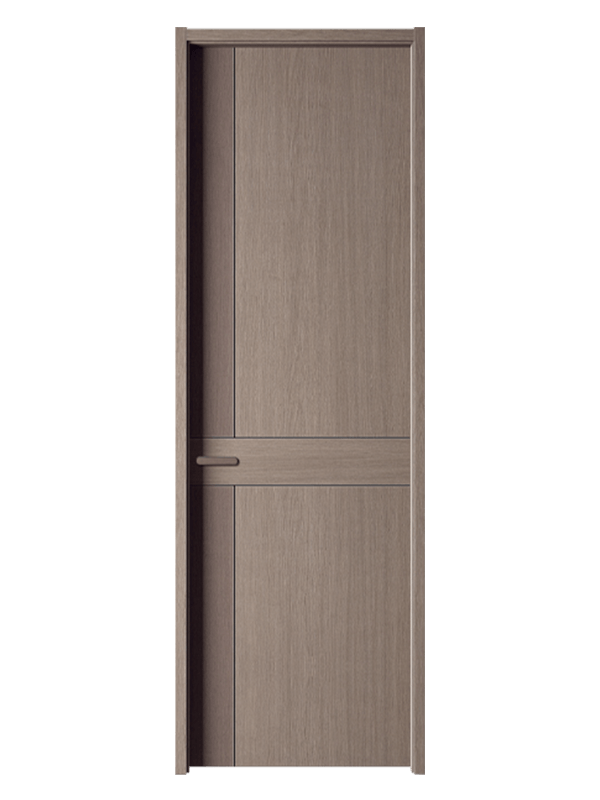
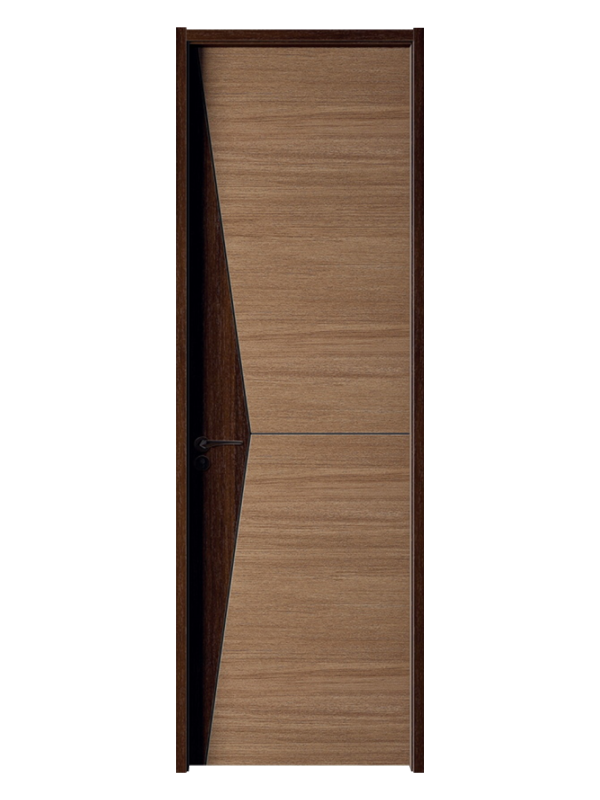
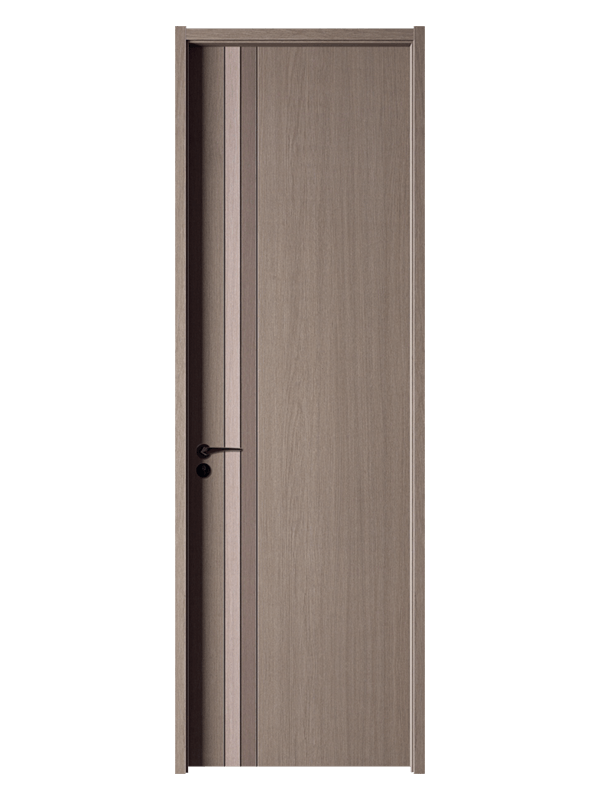
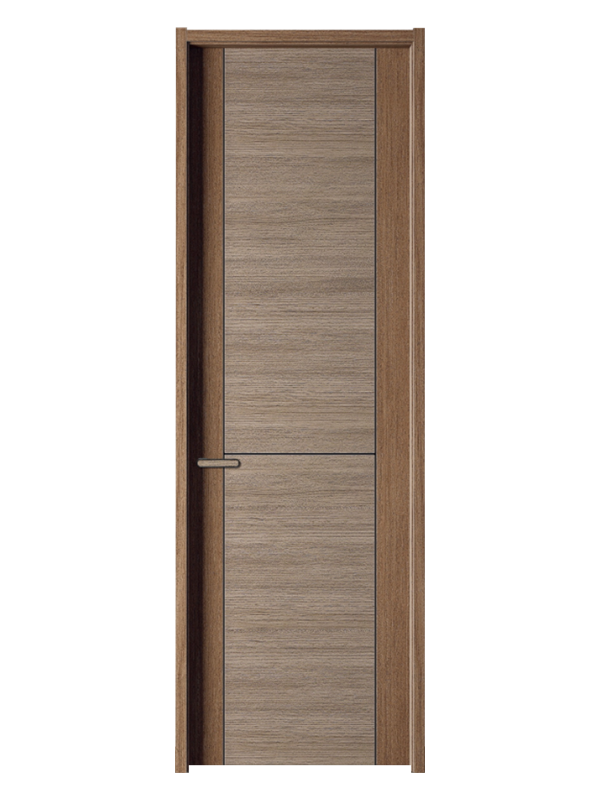
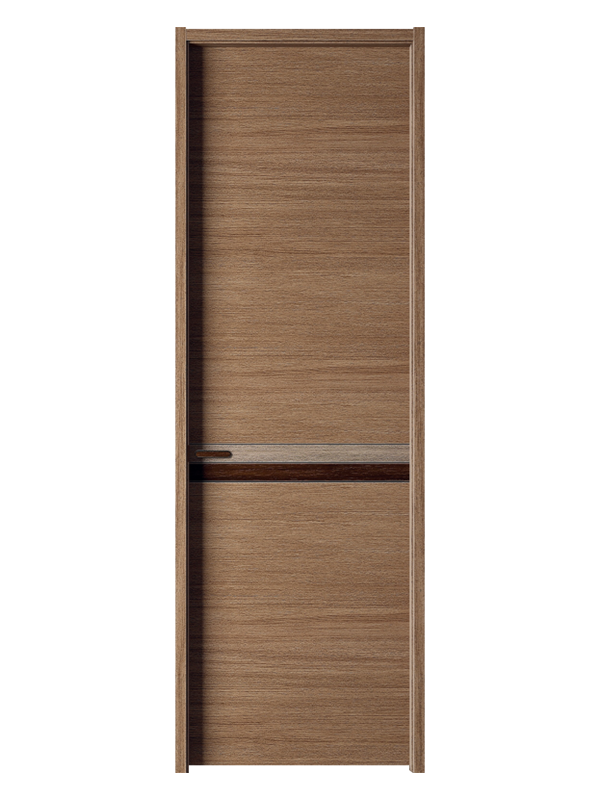
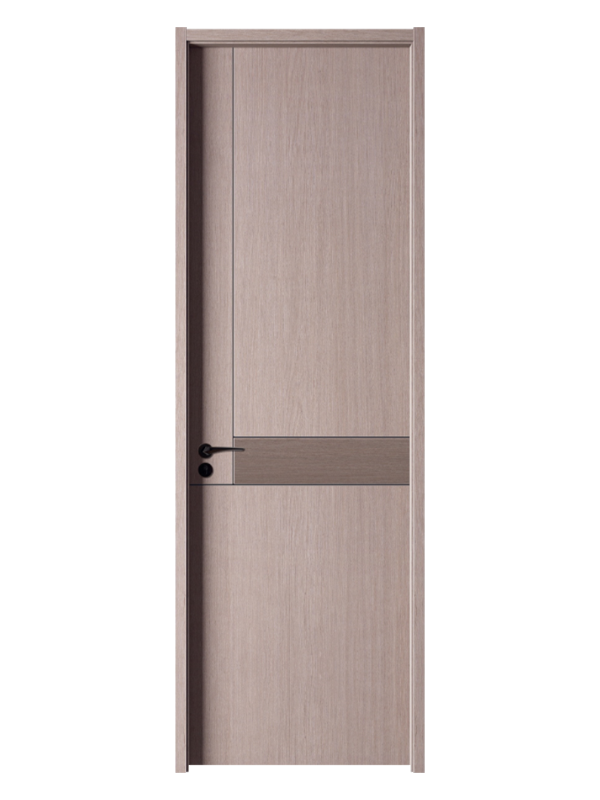
Door design has moved beyond plain, solid surfaces. A wooden panel splicing melamine door skin combines the look of wood grain with the structural benefits of melamine. The panel features a splicing design where wood grain patterns are joined or interrupted, creating visual interest on the door surface. Wooden panel splicing melamine door skin manufacturers produce door skins that give doors the look of custom woodwork without the cost and maintenance of solid timber.
The Splice Creates a Design Feature
A straight or angled seam interrupts the wood grain pattern
The splice is a deliberate visual break in the wood grain. A wooden panel splicing melamine door skin manufacturer designs the seam so it becomes part of the door's appearance. The seam is intentional, not a flaw. It adds visual structure and modern appeal to what would otherwise be a plain surface.
The splice orientation changes the door's appearance
Horizontal splices make doors look wider. Vertical splices draw the eye upward and emphasize height. A wooden panel splicing melamine door skin manufacturer offers different splice orientations to suit different design goals. The orientation is matched to the door's proportions and the room's design.
Contrast or tone-on-tone color options let the designer control the look
The panels on either side of the splice can be the same color or different. A wooden panel splicing melamine door skin manufacturer offers both options. A subtle tone-on-tone splice is understated. A high-contrast splice is bold and modern. The designer chooses what fits the project.
Common specs for wooden panel splicing melamine door skins:
- Surface: melamine-impregnated paper
- Wood grain: printed
- Splice type: horizontal, vertical, angled
- Color options: standard and custom
- Core: MDF, particleboard, honeycomb
- Thickness: 3mm to 6mm
- Width: standard and custom
The Melamine Surface Combines Durability with Realistic Grain
Melamine-impregnated paper is bonded under heat and pressure
The surface of the door is a melamine-impregnated paper that's bonded to the core under heat and pressure. A wooden panel splicing melamine door skin manufacturer uses melamine for its durability. The surface resists scratches, stains, and moisture—the three things that ruin painted or unlaminated doors.
The wood grain is printed at high resolution before bonding
The wood grain pattern is printed onto the melamine paper before the paper is bonded to the core. A wooden panel splicing melamine door skin manufacturer uses high-resolution printing to replicate the look of oak, walnut, or cherry. The printed grain has depth and detail that rivals real timber.
The finish is uniform across the entire door skin
Melamine gives a consistent finish with no variation. A wooden panel splicing melamine door skin manufacturer controls the printing and pressing process so the color and grain match across the door. No fade, no streaks, no inconsistencies.
Where Spliced Melamine Door Skins Fit Into Interiors
Modern residential interiors where homeowners want custom-looking doors
Homeowners want doors that look like custom woodwork but don't require the maintenance of real wood. A wooden panel splicing melamine door skin manufacturer supplies door skins that give doors a contemporary, high-end look at a fraction of the cost of solid timber.
Commercial offices and professional spaces
Commercial interiors need doors that are durable and attractive. A wooden panel splicing melamine door skin manufacturer produces door skins that resist wear and look professional. The melamine surface handles daily use without showing it.
Hotel guest rooms and hospitality projects
Guest rooms need doors that are quiet and visually consistent. A wooden panel splicing melamine door skin manufacturer supplies door skins that match the hotel's design aesthetic across hundreds of rooms. The splicing pattern adds visual interest that elevates the guest experience.
The Details That Separate Quality from Compromise
The splice line has to be straight, clean, and free of gaps
A sloppy splice ruins the door. A wooden panel splicing melamine door skin manufacturer should produce splices that are uniform and precise. The seam should be invisible at arm's length. Gaps, uneven edges, or misaligned grain patterns make the door look cheap.
The color on both sides of the splice must match
If the color shifts across the splice, it's a defect. A wooden panel splicing melamine door skin manufacturer should control the printing process to ensure the color is consistent across the entire door skin. No variation from panel to panel.
The edge banding has to match the surface finish
The edges of the door skin are exposed and must be sealed. A wooden panel splicing melamine door skin manufacturer should apply edge banding that matches the surface finish exactly. Mismatched edges ruin the appearance of a spliced door.
The core has to be compatible with the door skin material
The door skin bonds to the core. A wooden panel splicing melamine door skin manufacturer should use materials that bond properly to MDF, particleboard, or honeycomb cores. Poor bonding leads to delamination.
A wooden panel splicing melamine door skin gives doors a custom look at a fraction of the cost of real wood. The splicing design adds visual interest, the melamine surface provides durability, and the wood grain print gives the look of real timber. Wooden panel splicing melamine door skin manufacturers produce door skins that combine appearance and performance. That's what makes them the standard for modern interiors.