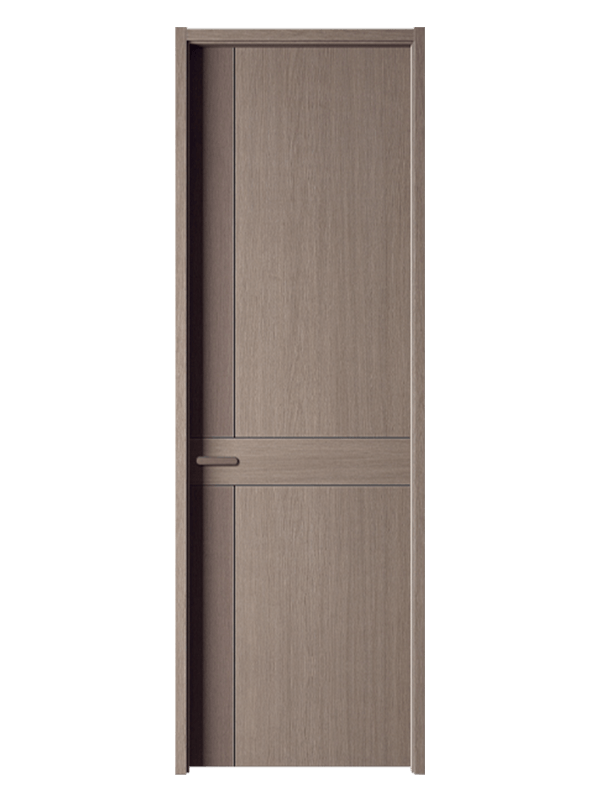
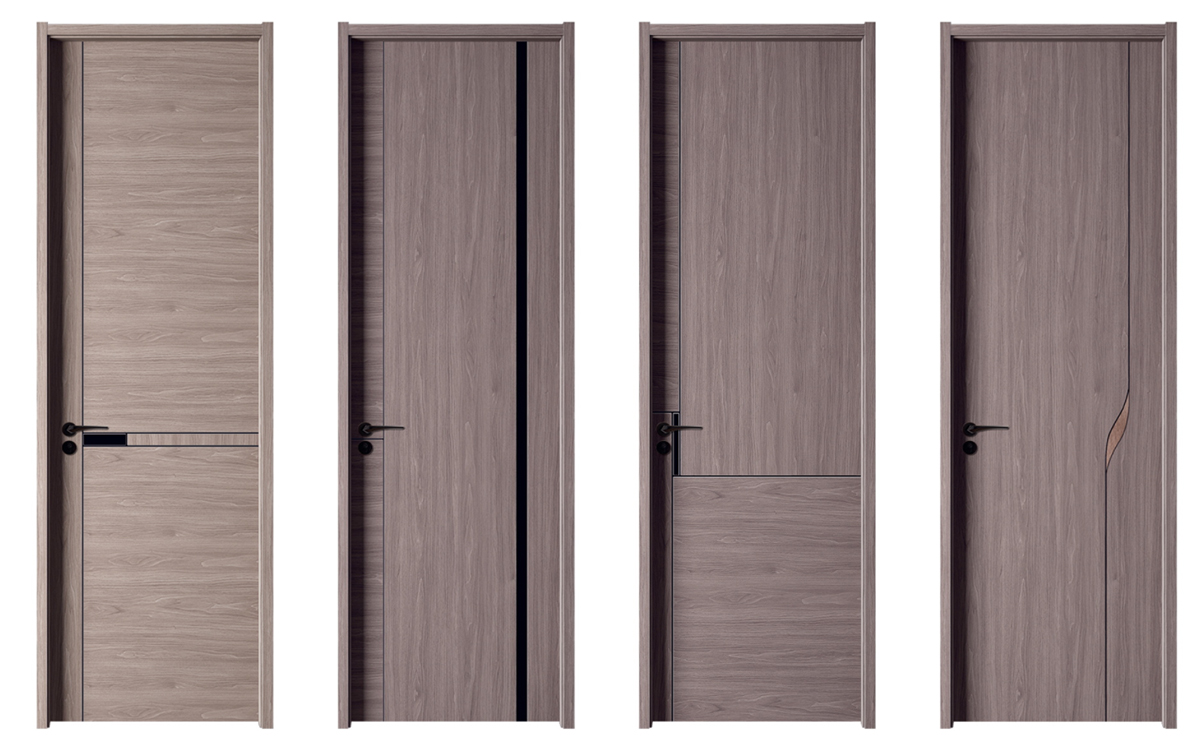
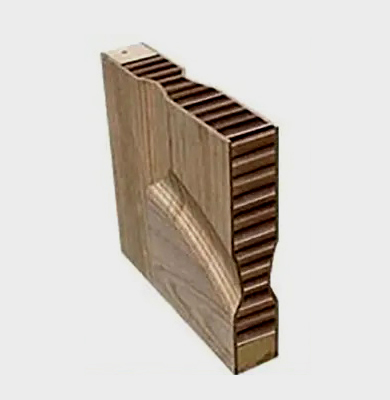
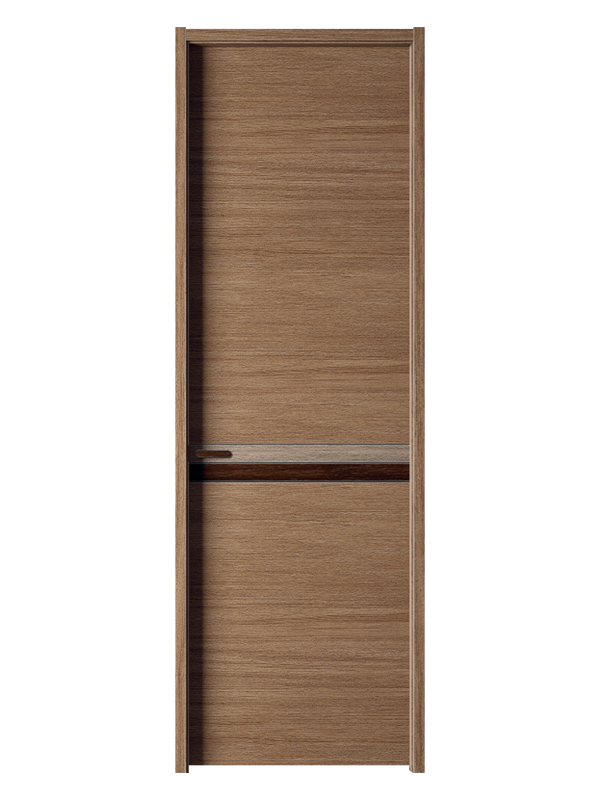
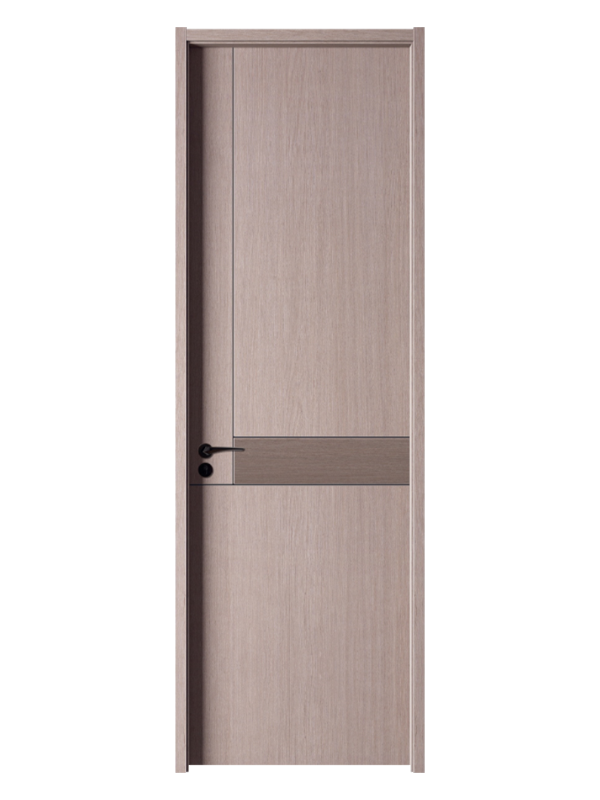
In the door manufacturing industry, engineered wood materials are widely used to balance stability, cost control, and production efficiency. Different terms are often applied depending on the core structure and processing method. From a factory viewpoint, understanding how each option is produced helps buyers align expectations with real manufacturing behavior. The following questions explain how common engineered wood doors are designed, assembled, and evaluated.
Q1: What defines a Plywood Door in factory production?
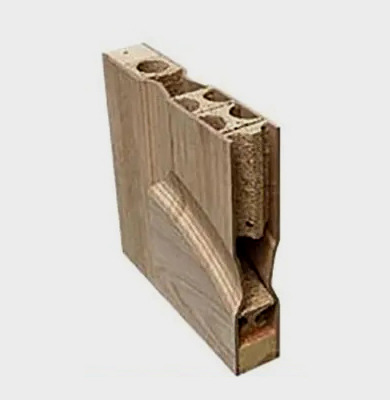
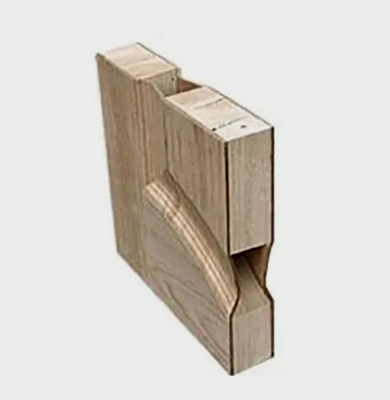
A Plywood Door is built around a core made from layered wood veneers bonded with alternating grain directions. In manufacturing, this structure provides balanced strength and reduces deformation during processing. The plywood panels are calibrated, cut, and assembled into door leaves before surface finishing.
From an industry standpoint, a Plywood Door performs reliably during pressing and machining. The layered structure distributes stress evenly, which helps maintain flatness after assembly. This makes it suitable for projects where dimensional stability is a priority during installation and use.
Q2: How is an MDF Door produced on the assembly line?
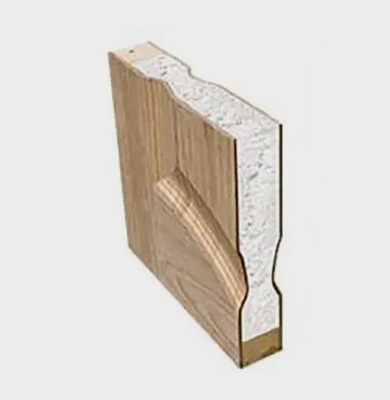
An MDF Door uses medium-density fiberboard as its primary panel material. MDF is formed by compressing wood fibers with resin under heat and pressure, resulting in a smooth and uniform board. In door factories, this consistency supports precise cutting and routing.
Manufacturers value an MDF Door for its predictable machining behavior. Grooves, profiles, and decorative patterns can be processed with CNC equipment without encountering grain-related variation. This allows efficient production of doors with detailed surface designs and consistent dimensions.
Q3: What distinguishes an HDF Door during manufacturing?
An HDF Door is based on high-density fiberboard, which has a tighter fiber structure than MDF. In manufacturing, this higher density provides increased surface hardness and edge strength. Panels are handled carefully to maintain clean edges during cutting and sanding.
From a production perspective, an HDF Door supports refined surface finishing. The dense board accepts coatings and laminated skins evenly, reducing surface irregularities. Factories often select this structure when surface durability and crisp detailing are required.
Q4: Why do factories offer multiple engineered wood door options?
Different projects emphasize different performance needs. Some focus on structural balance, while others prioritize surface detail or finishing compatibility. Inside the factory, these requirements are translated into material selection rather than marketing labels.
The table below shows how production teams approach each door type:
| Door type focus | Core material behavior | Main factory control |
| Plywood Door | Layered wood balance | Panel flatness check |
| MDF Door | Uniform fiber density | CNC accuracy review |
| HDF Door | High surface density | Edge integrity test |
This method ensures consistent output regardless of how a project is described.
Q5: What quality checks apply to these door cores?
Quality control begins with raw board inspection. For a Plywood Door, veneer bonding and thickness uniformity are reviewed before assembly. Any imbalance can affect later pressing stages.
When producing an MDF Door, density consistency and moisture content are measured to support stable machining. In the case of an HDF Door, surface hardness and edge condition are checked to ensure clean finishing. These steps reflect manufacturing discipline rather than promotional claims.
Q6: How are these doors finished after core assembly?
After the core structure is prepared, surface skins or coatings are applied. A Plywood Door may receive veneer or laminate skins depending on project needs. An MDF Door often supports painted or wrapped finishes due to its smooth surface. An HDF Door is commonly paired with laminated skins where surface resistance is important.
Pressing cycles, adhesive selection, and curing times are adjusted based on the core material. These adjustments help ensure stable bonding without altering the main assembly workflow.
Q7: How do these door types support flexible manufacturing?
Factories favor engineered wood doors because they allow surface variation without changing internal structure. Switching production from an MDF Door to a different finish mainly affects surface processing stages. Adjusting to a Plywood Door involves core selection rather than redesigning equipment.
Similarly, producing an HDF Door focuses on panel handling and finishing parameters. This flexibility supports both large-volume orders and smaller customized batches within the same production system.

英语
西班牙语
俄语
土耳其语
阿拉伯语
法语