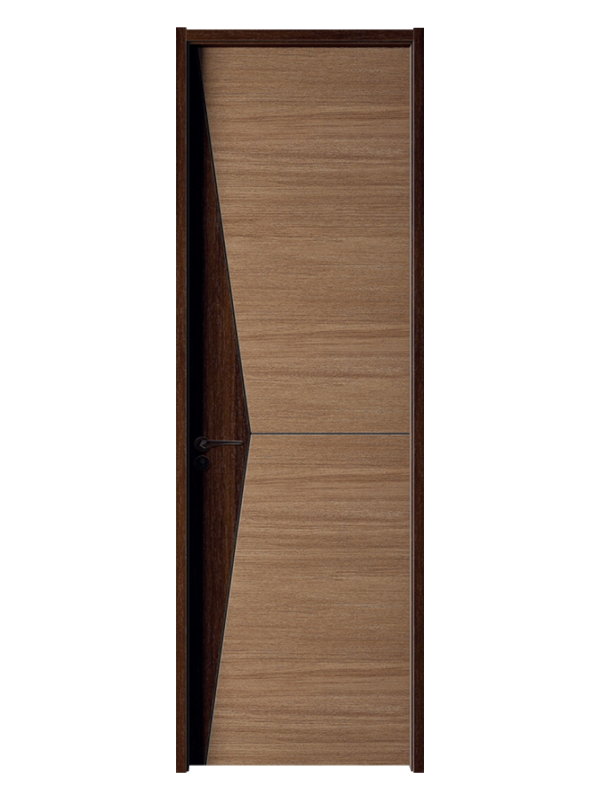
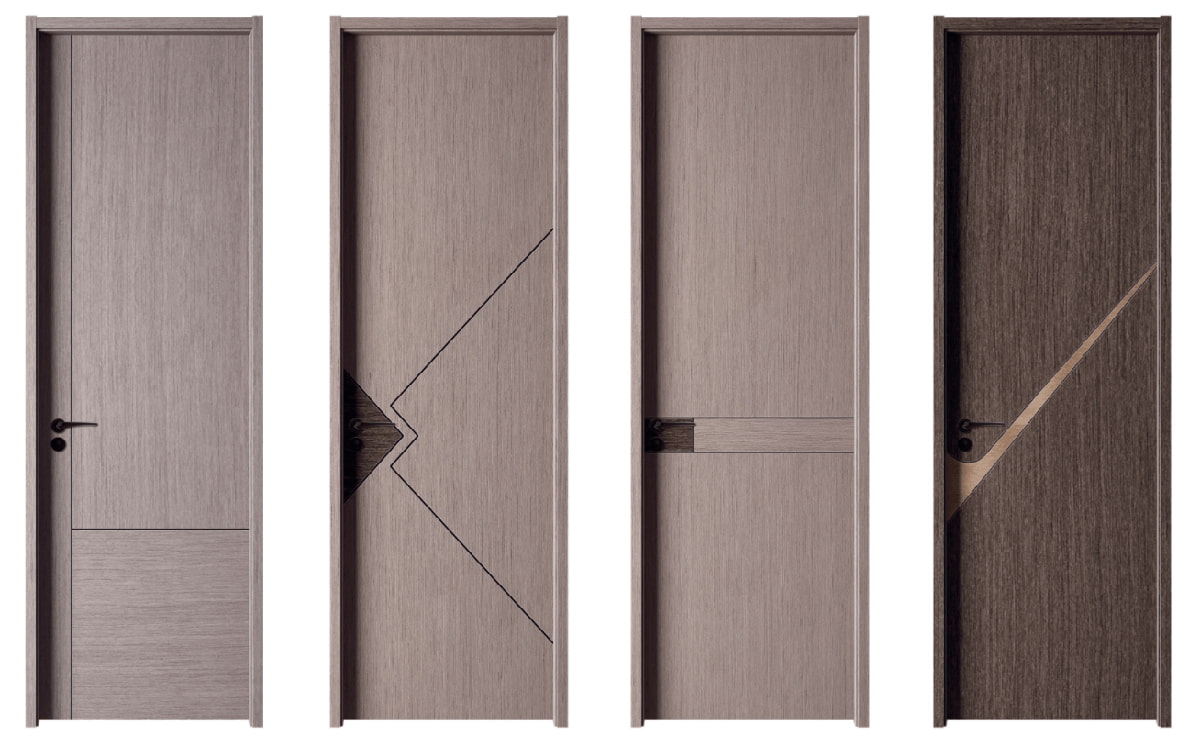
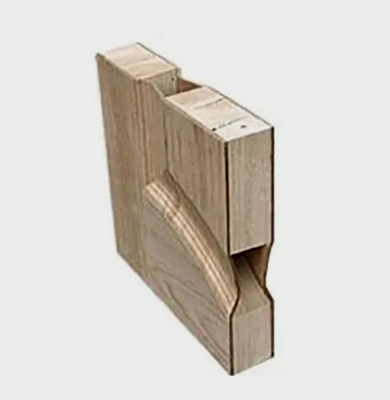
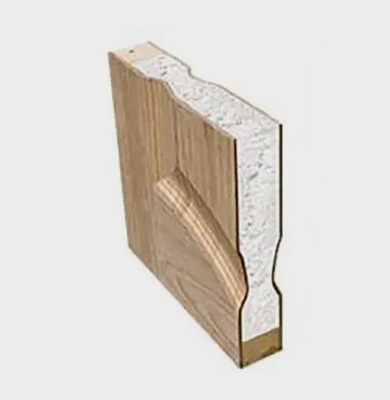
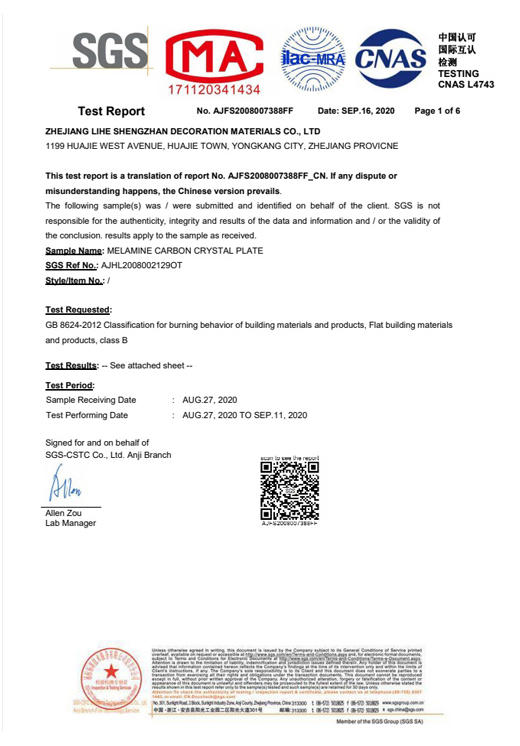
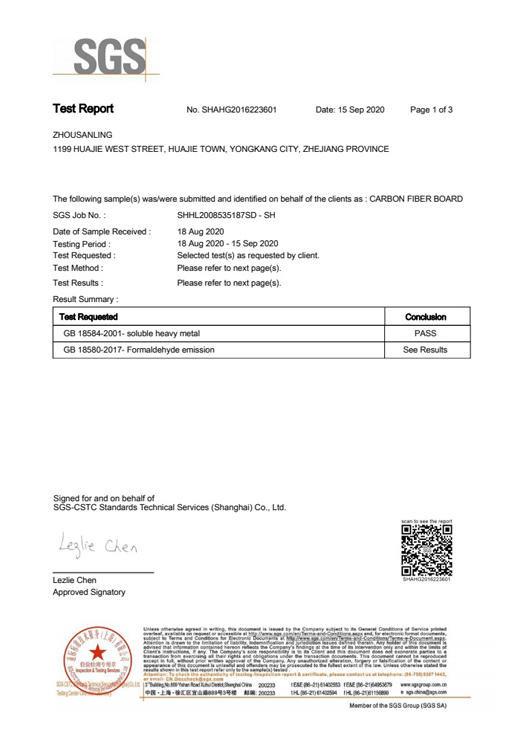
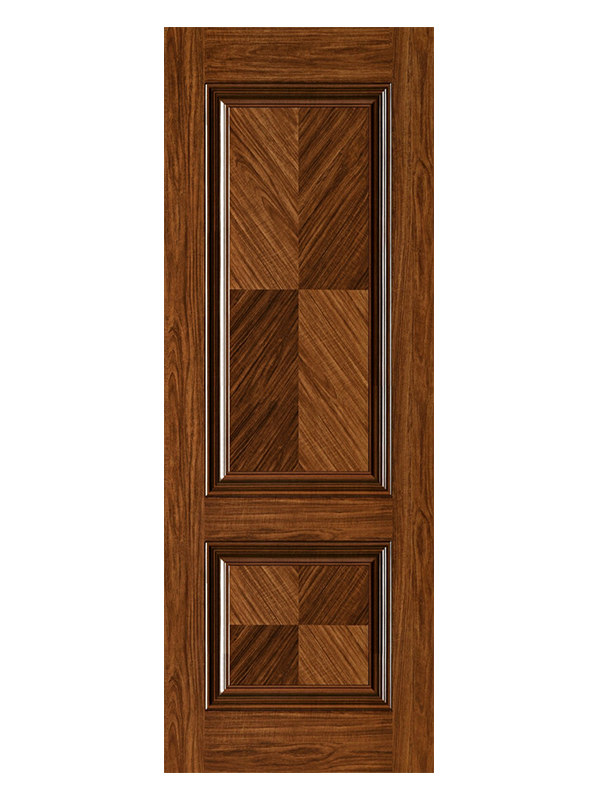
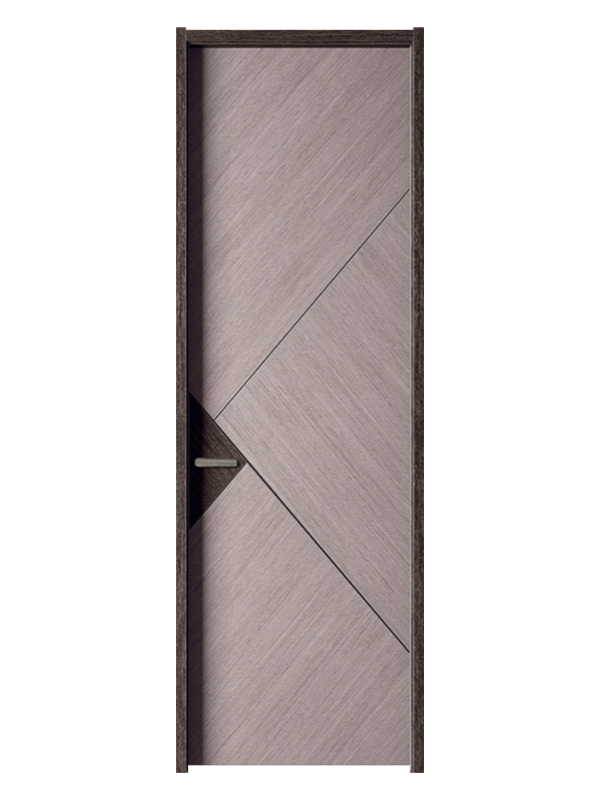
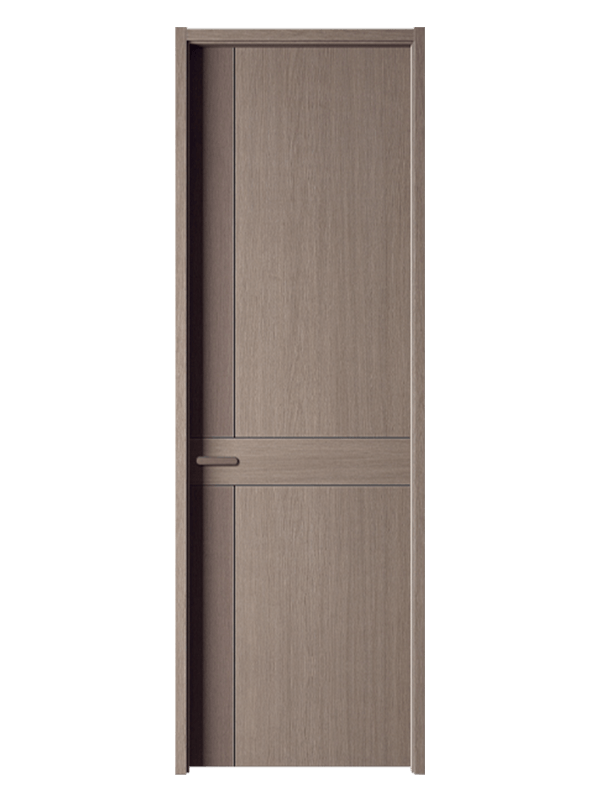
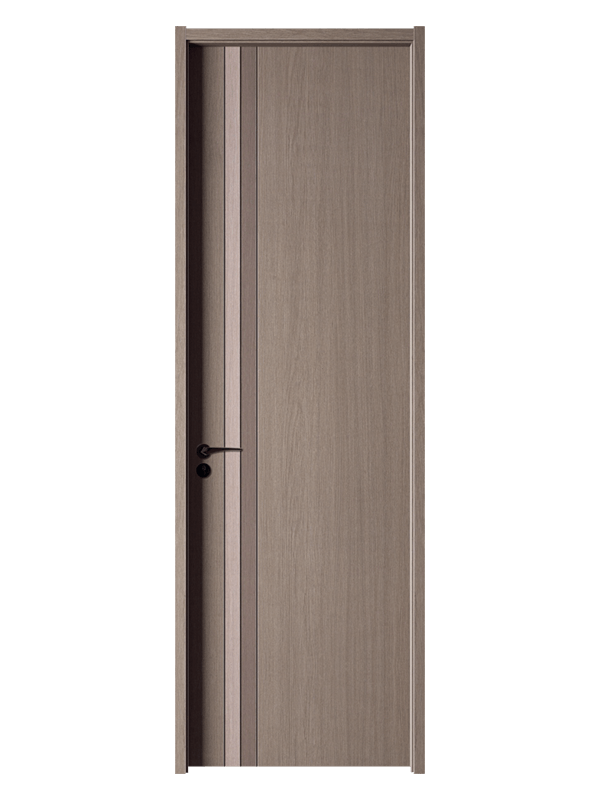
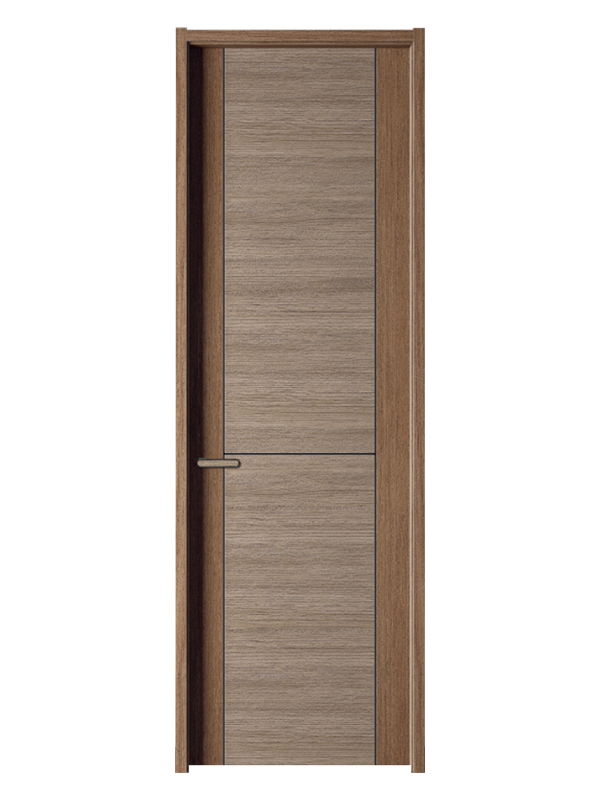
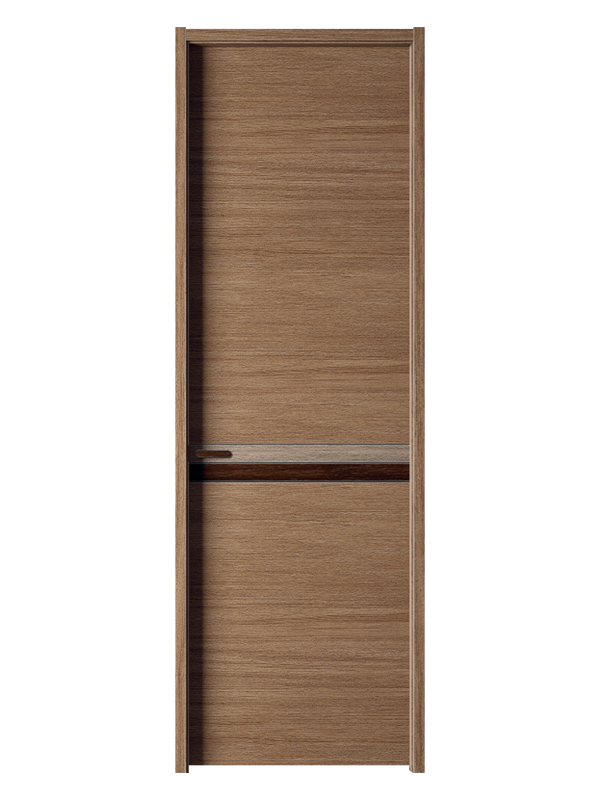
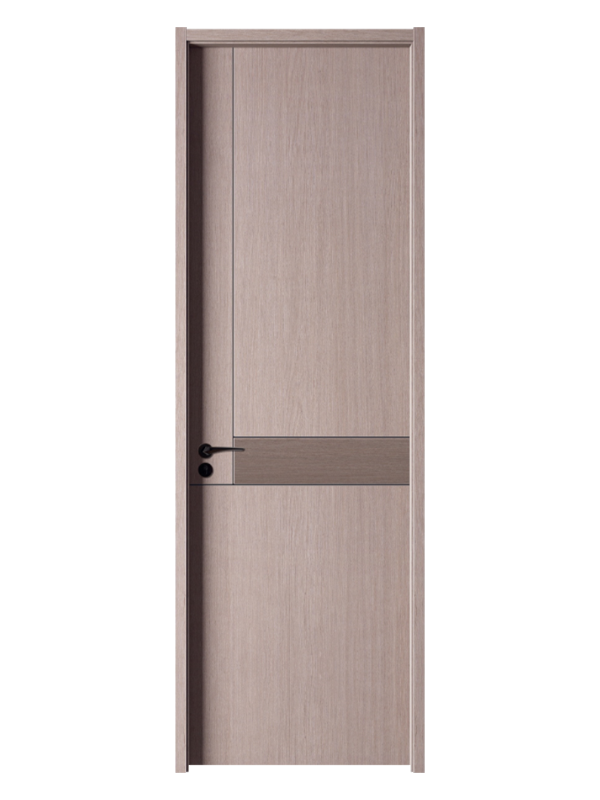
In modern door factories, some products are known by different names depending on market habits, material focus, or surface description. Although terminology varies, the underlying structure and production logic remain consistent. From a manufacturing viewpoint, the door often described as an MDF Panel Door, a Melamine Door, or a High Pressure Laminate Door represents a single engineered solution. The following questions explain how this door type is designed, produced, and evaluated inside the factory.
Q1: What does an MDF Panel Door mean in manufacturing terms?
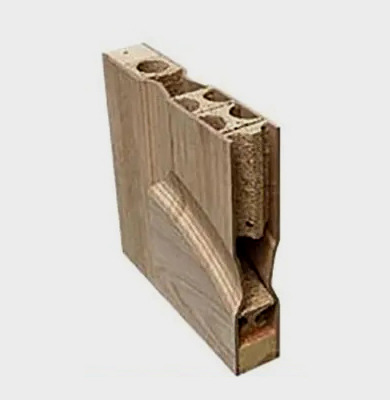
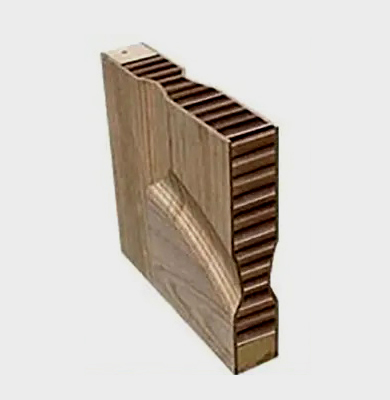
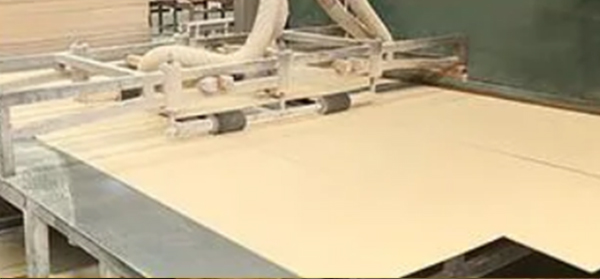
An MDF Panel Door is defined by its core material. Medium-density fiberboard is produced by compressing wood fibers under heat and pressure, creating panels with stable density and smooth surfaces. In a door factory, these panels are cut, edged, and prepared as the base structure before surface treatment.
From an industry perspective, the advantage of an MDF Panel Door lies in predictable machining behavior. CNC cutting, drilling, and routing can be standardized, which helps maintain dimensional accuracy across batches. This consistency supports both large-scale production and customized sizing.
Q2: How is a Melamine Door produced on the factory line?
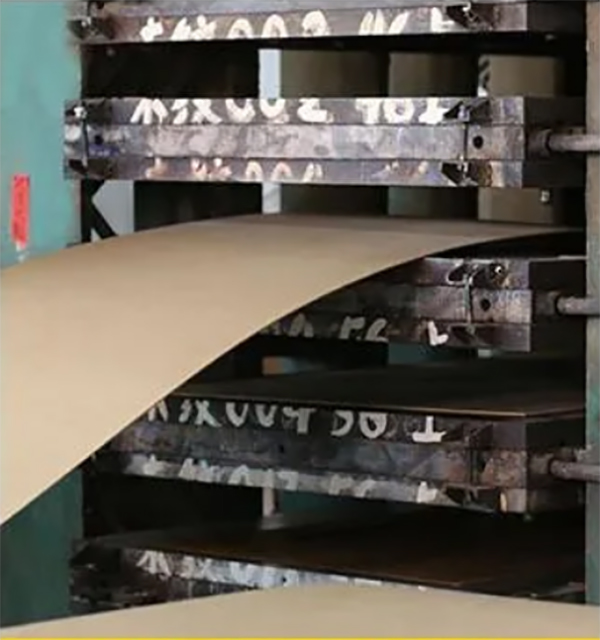
A Melamine Door refers to the surface finish applied to the MDF substrate. Melamine-impregnated paper is bonded to the panel using controlled temperature and pressure. This process creates a decorative and protective layer that becomes part of the panel rather than a removable coating.
In manufacturing, a Melamine Door allows factories to manage color, texture, and pattern with high repeatability. Surface sheets are selected according to design files, making it easier to coordinate door appearance with other furniture components produced in the same facility.
Q3: What role does High Pressure Laminate Door construction play?
A High Pressure Laminate Door uses a thicker laminate surface formed by pressing multiple layers of kraft paper and resin. This laminate is then bonded to the MDF base. Compared with thinner decorative papers, the laminate layer offers greater resistance to surface wear in daily use.
From a production standpoint, a High Pressure Laminate Door requires stricter bonding control. Press cycles, adhesive spread, and cooling time are monitored closely to ensure the laminate remains flat and securely attached throughout its service life.
Q4: Why are multiple terms used for the same door structure?
Factories often encounter different naming preferences from architects, distributors, and regional markets. One project specification may highlight the MDF base, while another focuses on the melamine surface or the laminate process. Regardless of naming, internal production documents define material thickness, surface type, and performance targets.
The table below shows how factories interpret these terms during planning:
| Term focus in orders | Main manufacturing attention | Internal control point |
| MDF Panel Door | Core density and thickness | Panel calibration |
| Melamine Door | Surface alignment and color | Press temperature |
| High Pressure Laminate Door | Laminate bonding strength | Adhesive curing |
This approach helps unify production even when terminology varies.
Q5: What quality checks are applied during manufacturing?
Quality control begins with raw MDF inspection. Density uniformity and moisture content are measured before panels enter processing. For an MDF Panel Door, edge integrity after cutting is carefully reviewed.
When producing a Melamine Door, surface adhesion and visual consistency are checked under standardized lighting. In the case of a High Pressure Laminate Door, impact resistance and edge sealing receive additional attention. These checks reflect the material structure rather than marketing labels.
Q6: How do these doors fit current manufacturing needs?
From an industry perspective, this door type supports efficiency, scalability, and design coordination. An MDF Panel Door integrates well with automated equipment. A Melamine Door aligns with projects that require consistent finishes across multiple spaces. A High Pressure Laminate Door meets usage scenarios where surface durability is a design concern.
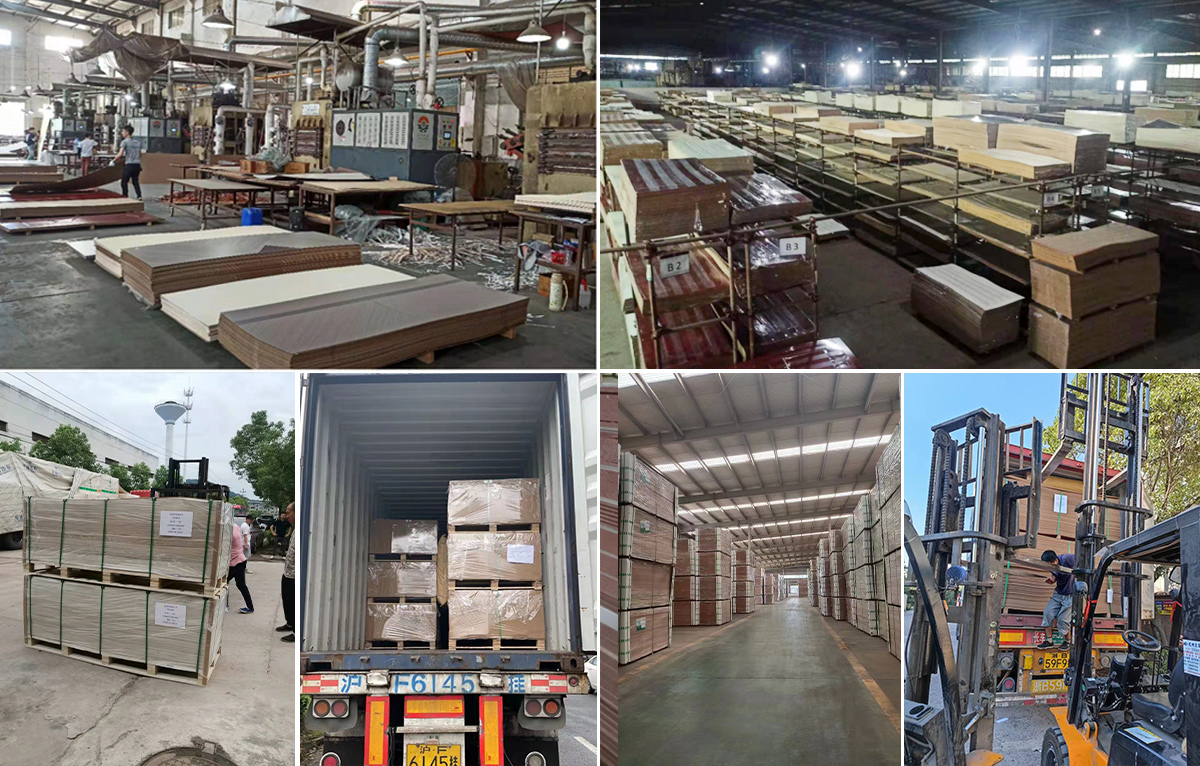
Manufacturers value this structure because it allows flexibility without changing the core production line. Adjustments are mainly made at the surface-processing stage, keeping overall workflow stable.
Understanding these doors through manufacturing logic clarifies why several terms describe the same product. Whether referenced as an MDF-based structure, a melamine-finished unit, or a laminate-surfaced panel, the door is built around controlled processes and engineered materials. Viewing terminology through factory operations helps buyers communicate requirements clearly and align expectations with real production capabilities.

英语
西班牙语
俄语
土耳其语
阿拉伯语
法语