+86-15088227666
Home / Product / Door Skin / Veneer door skin / LIHE JS-001 Single Panel Interior Entry Red Oak Wooden Door Skin

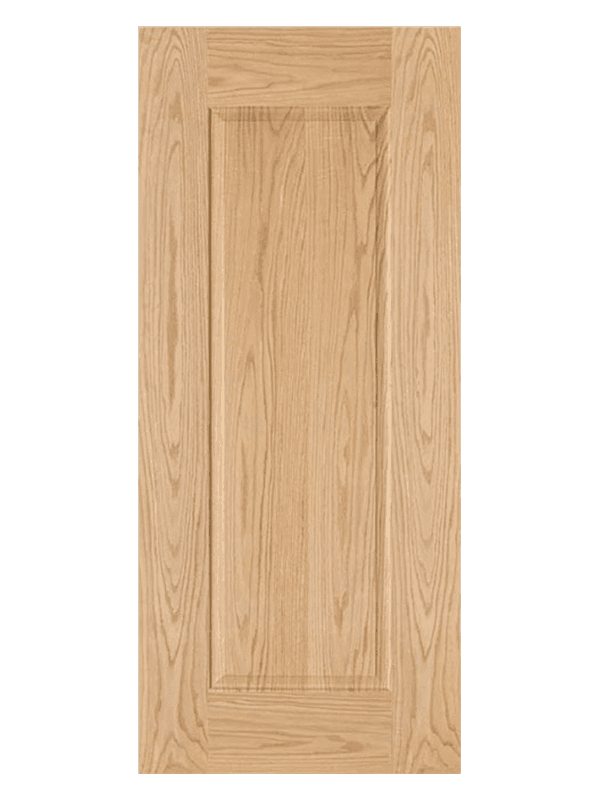
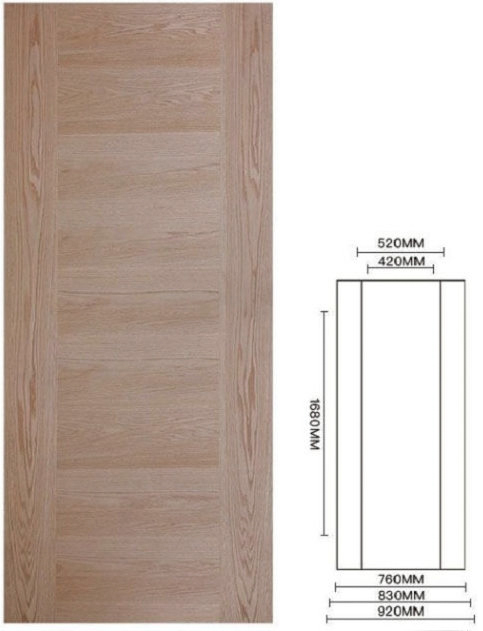
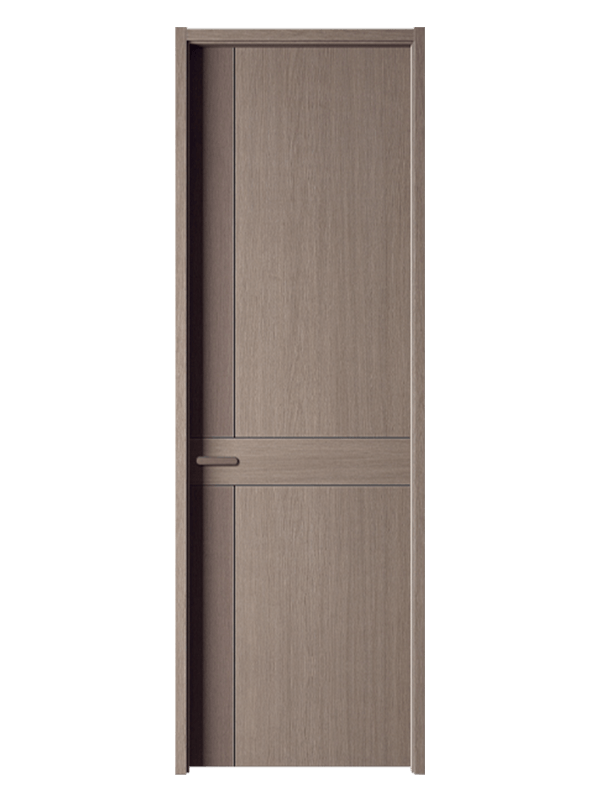
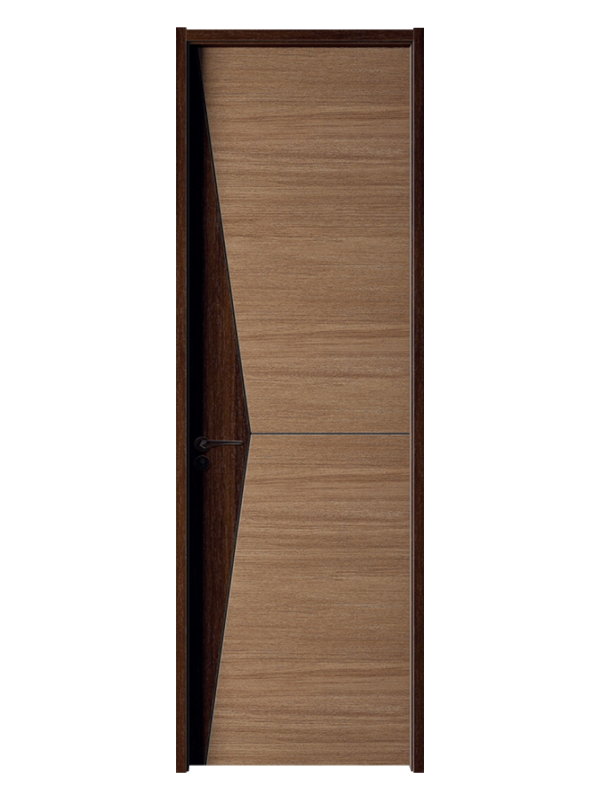
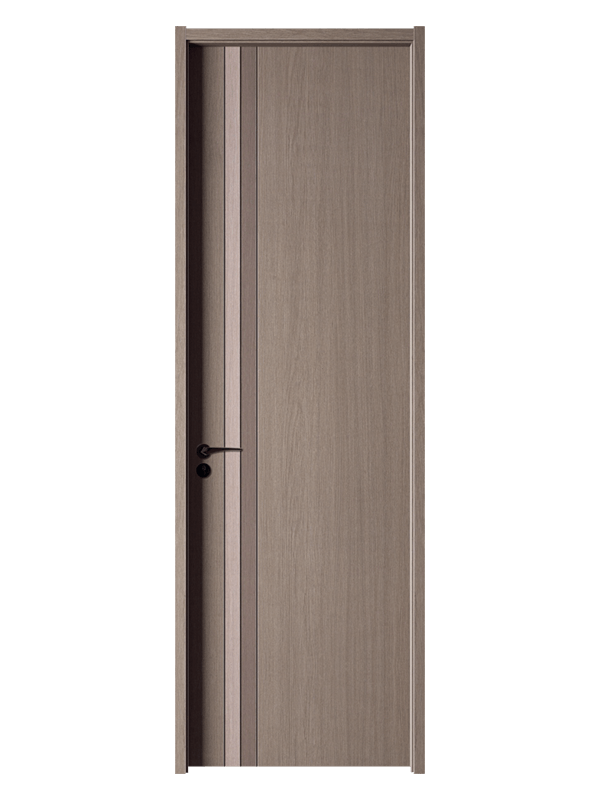
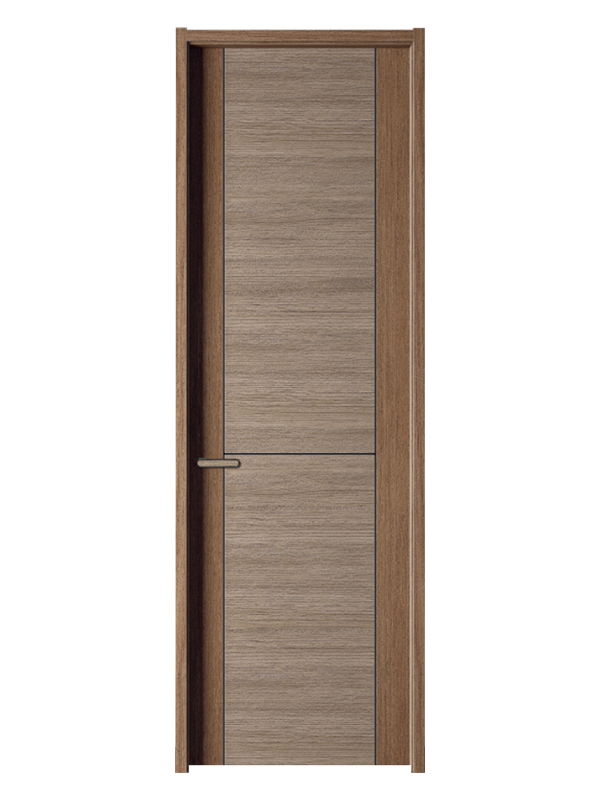
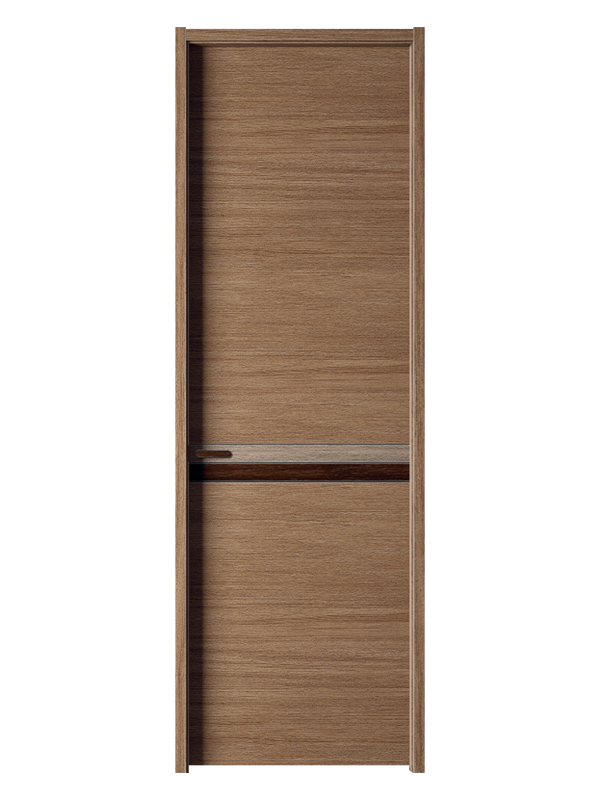
LIHE JS-001 Single Panel Interior Entry Red Oak Wooden Door Skin Wholesale

LIHE JS-001 Single Panel Interior Entry Red Oak Wooden Door Skin
Veneer door skin

LIHE JS-001 Single Panel Interior Entry Red Oak Wooden Door Skin

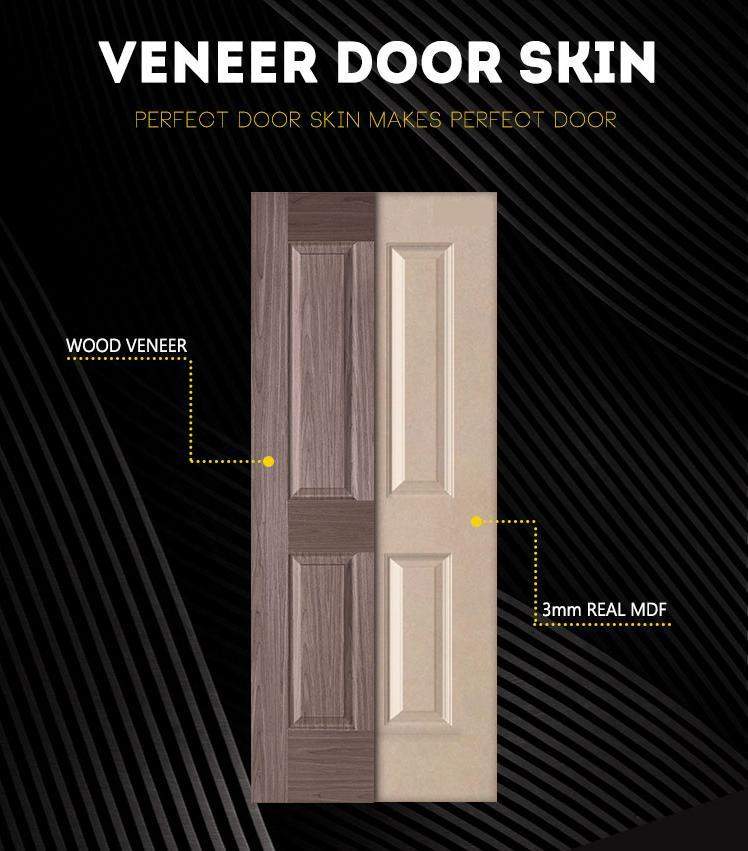
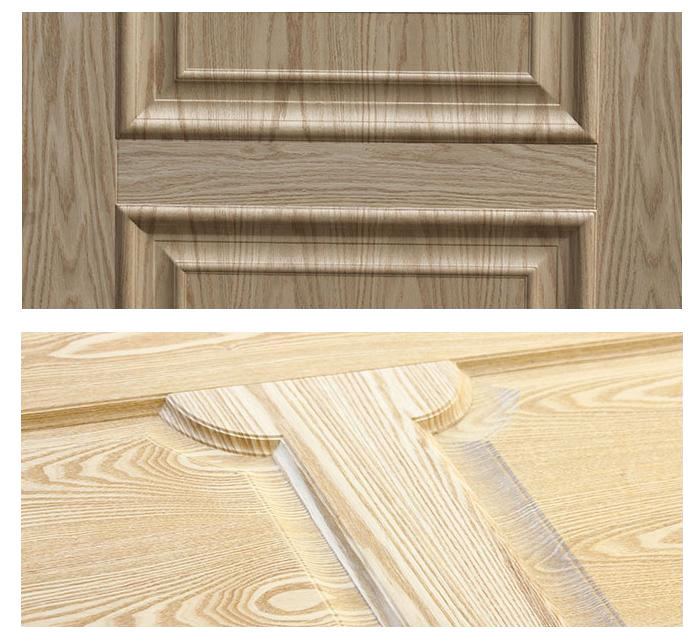
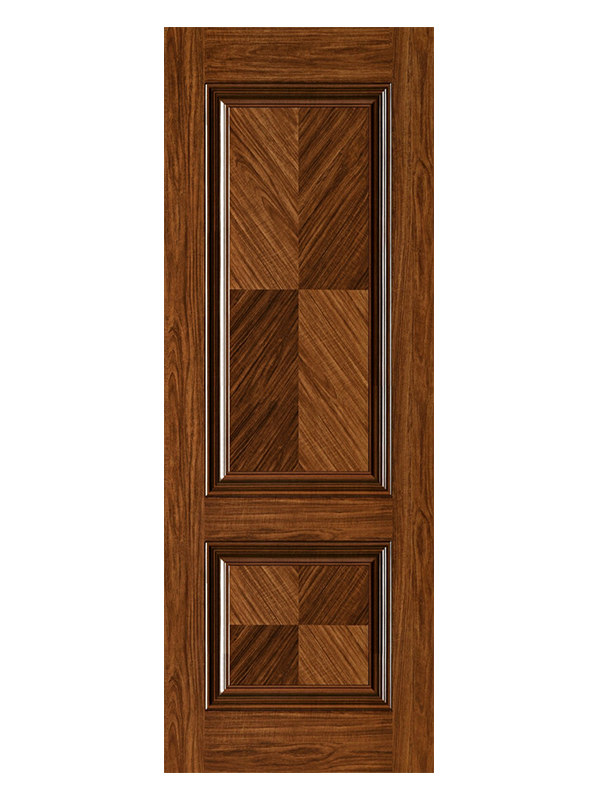
Single Panel Interior Entry Red Oak Wooden Door Skin are welcomed in Middle east market, Africa countries and so on. It is environmental and the substrate performance is very stable without cracking and deformation, The wood grain process effect of melamine ecological door is the same as that of real wood door, which looks very lifelike. The wood grain on the surface is clear and bright in color, and it is not easy to fall off and change color.  The surface of the panel has many styles to choose from, including painting, embossing and sanding, providing a great deal of freedom of choice for home decoration.  Based on nature, it uses natural conditions and artificial means to create livable, comfortable and healthy products.  Energy saving, sound insulation, fire resistance, corrosion resistance, sealing energy saving, never fade, can provide customers with more practical functions.  

  • Production Specifications

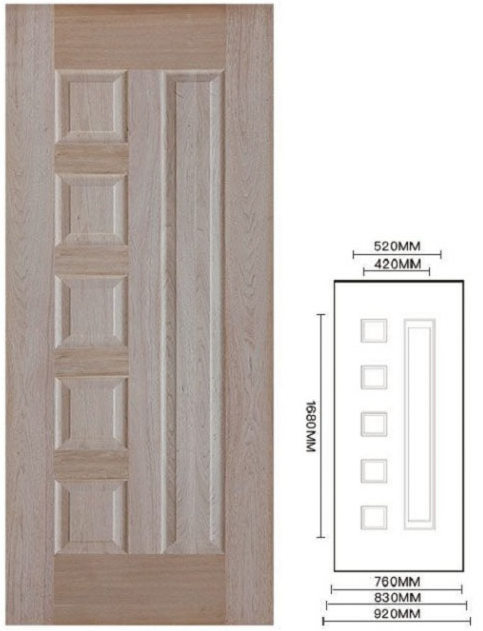
    1) Thickness: 2.7mm/3mm/3.2mm/4mm/4.2mm/ 4.5mm (± 0.2mm)
         Length: 2150mm
         Width: 920mm
    2) Density: 850 - 950 kg/m3
    3) Packing: Wrapped with shrink film------Pallet (Standard exporting packages)
    4) Loading Quantity: Qty/40 HQ: 5000 PCS

    Model No.

    LIHE JS-001

    Material

    MDF/HDF

    Type

    Veneer Door Skin

    Size

    Length: 1900mm-2150mm
    Width: 600mm-1050mm
    Thickness:3mm-6mm
    Depth: 8mm-12mm
    Embossed:16.8mm

    Density

    >860g/cm3

    Moisture

    6%~10%

    Finish Type

    Unfinished

    HCHO

    E1/E2

    MOQ

    500 PCS

    Payment

    T/T, 30% deposit and 70% balance before loading

    Shipment

    10-20 days after receiving the deposit (According to the quantity)

    Packages

    By Pallet
    Extra Bundles are also available

    Term of Shipment

    EXW, FOB, CIF, CNF


  • Design Choices
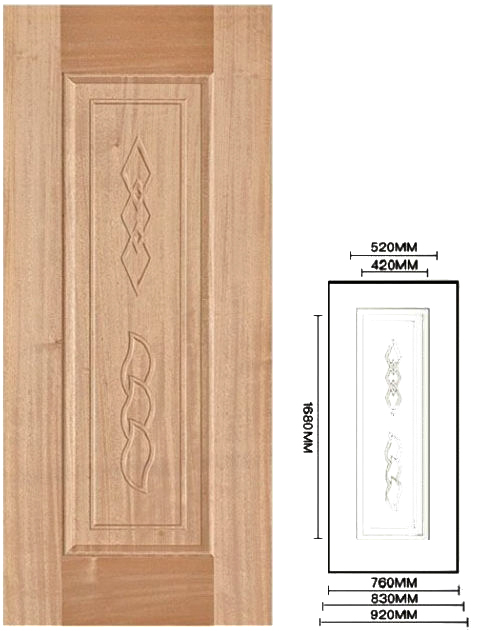
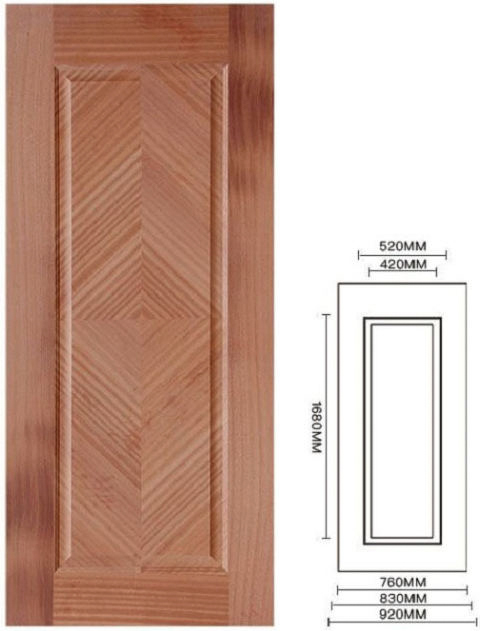
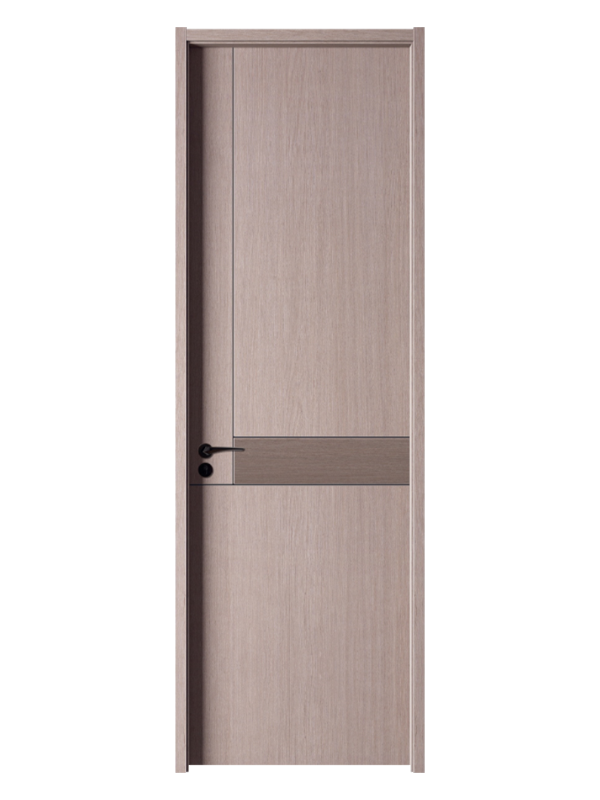
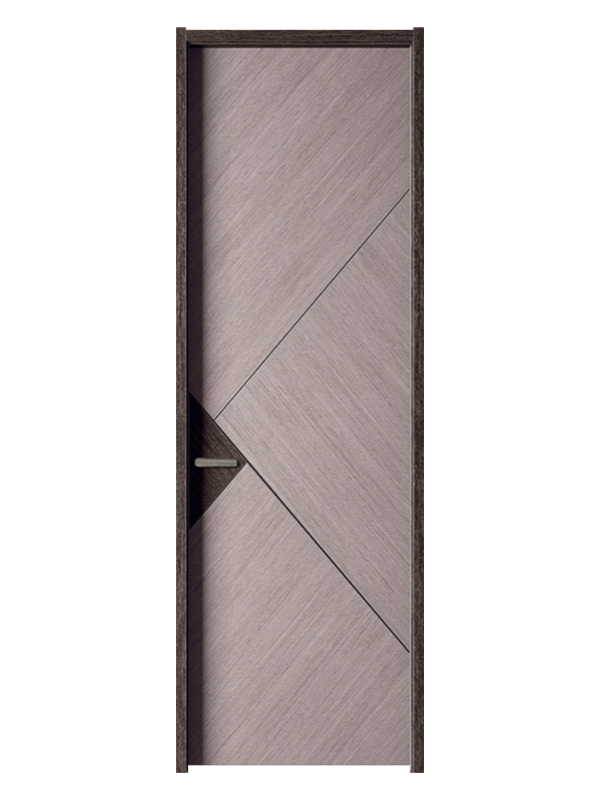
    LIHE JS-009
    Catalpa Wood
    LIHE JS-010
    Red Walnut
    LIHE JS-021
    Flush
    LIHE JS-022
    Sapele
  • Color Choices
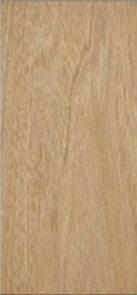
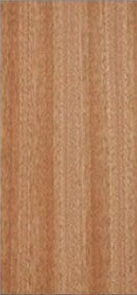
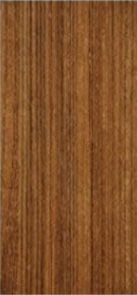
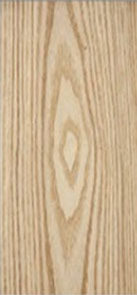
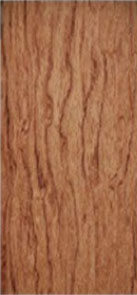
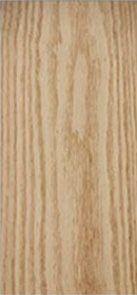
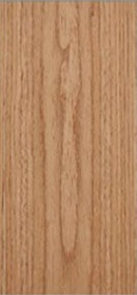
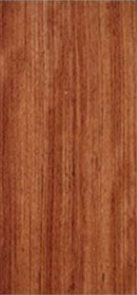
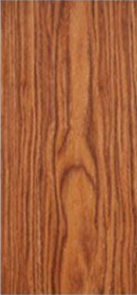
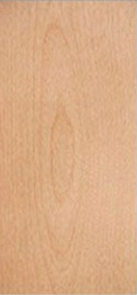
    Red Mahogany  Cata Pal Wood Sapele Thai Pomelo Ash Willow Rose Wood Red Oak
    Cherry1 Red Sandal Blaack Walnut Cherry2 Cherry3 Birch EP Teak

  • Process Shows
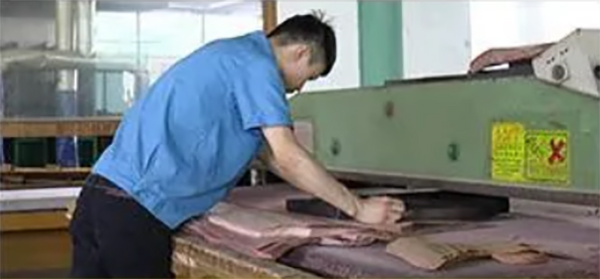
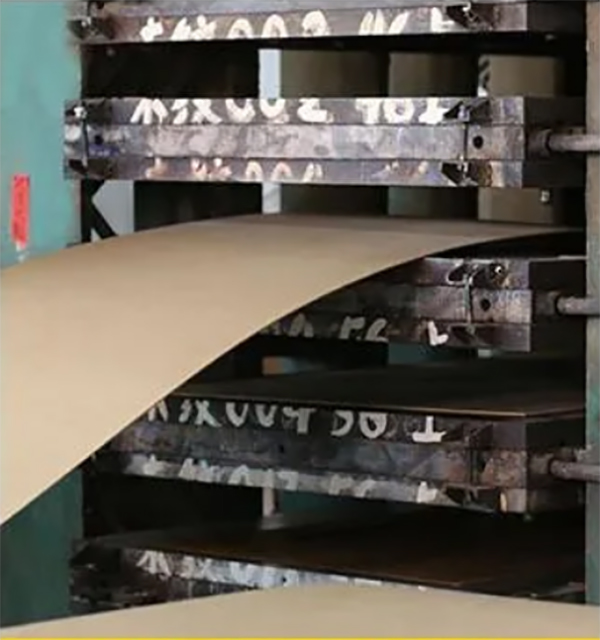
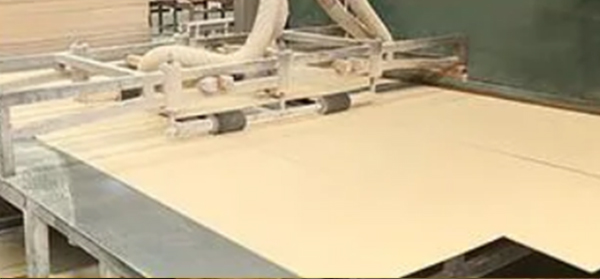
    Cuting Veneer
    Cuting Board Mold Pressing Board
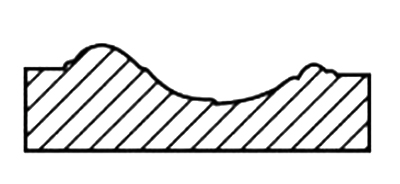
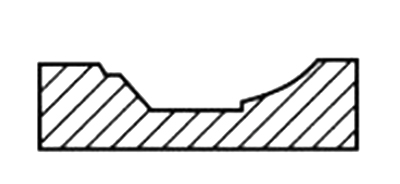
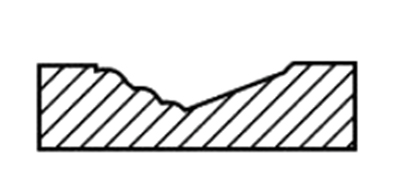
  • Different Choices Of Depth
    16.8mm Depth 12mm Depth 8mm Depth
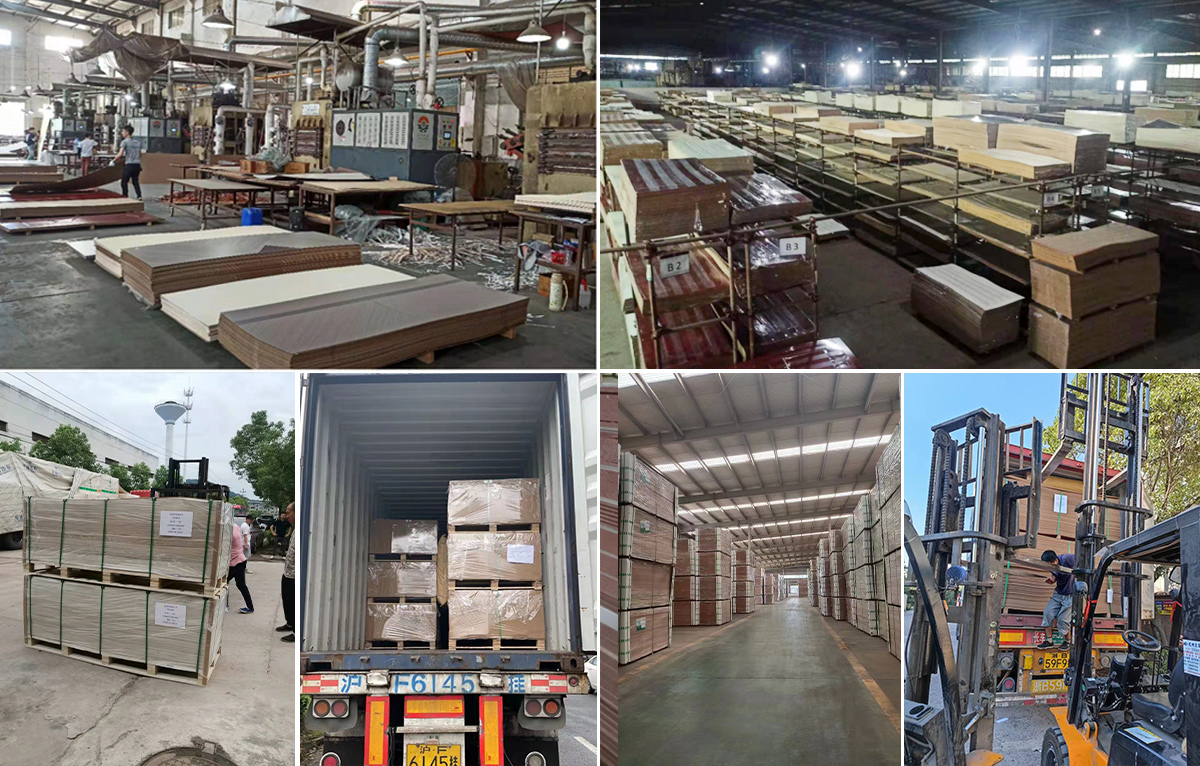
  • Factory Show And Packages

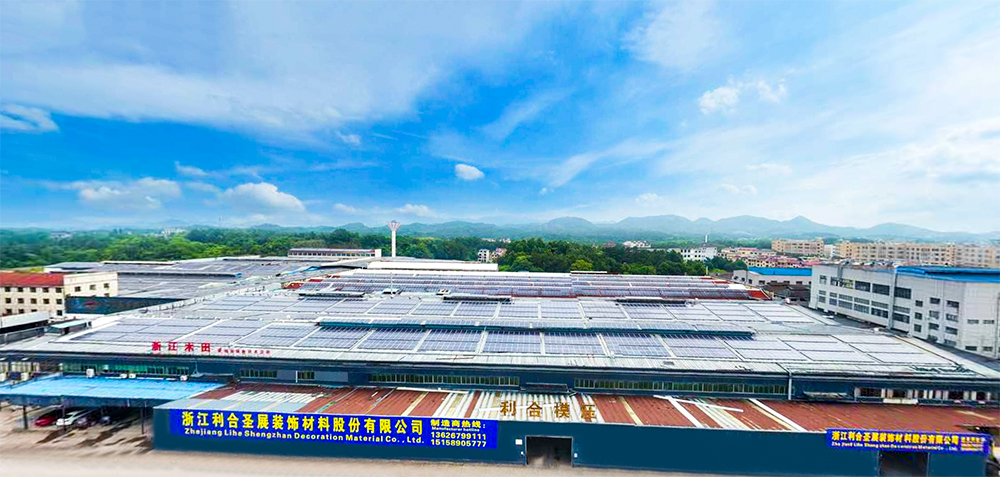
  • Factory Show
  • Zhejiang Lihe Shengzhan Decoration Material Co., Ltd.

    Zhejiang Lihe Shengzhan Decoration Material Co., Ltd. was established in 2014, located in Yongkang City, Zhejiang Province, the "Capital of China Hardware".
    As a profssional wholesale LIHE JS-001 Single Panel Interior Entry Red Oak Wooden Door Skin Suppliers, we focus on producing various veneer panels and lines for door factories and furniture factories. The main products are melamine veneer board (paper), particle board, MDF door skin, HDF door panel, high-grade joinery, plywood, laminate, door, hardware parts, decorative board, decorative lines, etc.
    Our company has the right to export, and is a comprehensive factory integrating R&D, production, sales and service. The factory covers an area of about 20,000 square meters, with standardized production workshops such as blanking, cutting, washing, hot pressing and packaging, etc. The workshop has a series of advanced equipment such as cutting machines, foam machines, laser cutting machines, spray painting lines,molding machine, flat machine, engraving machine and so on.
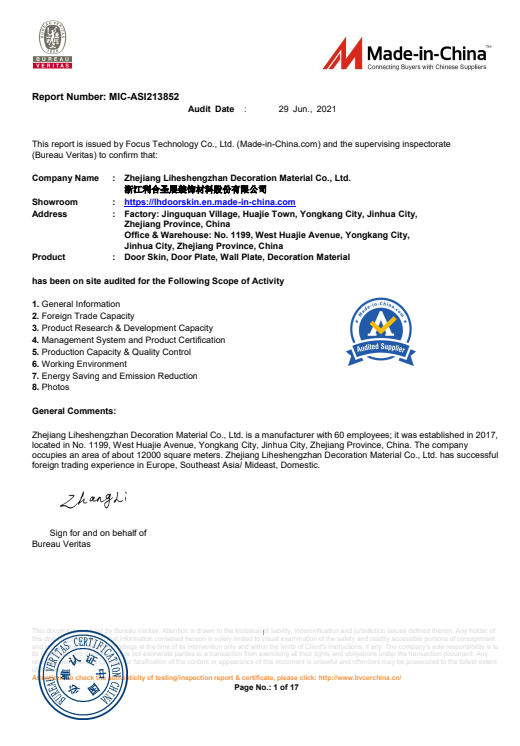
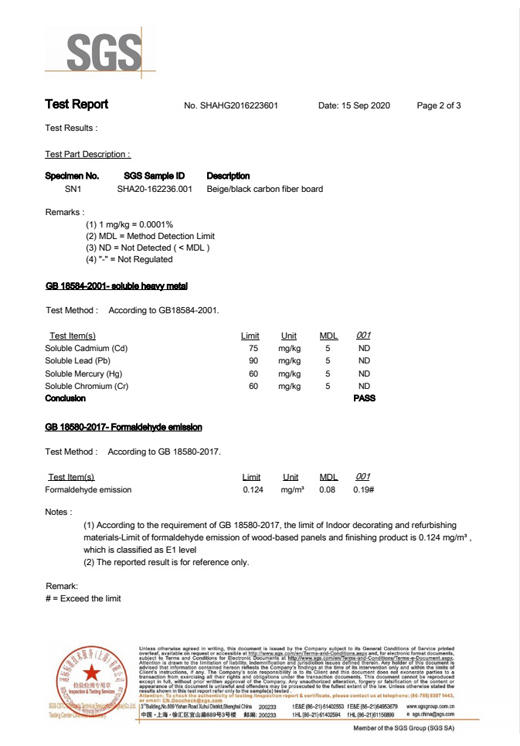
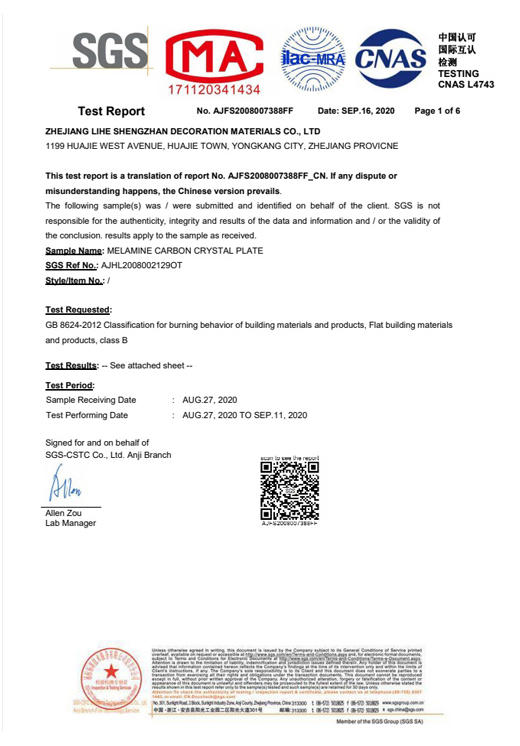
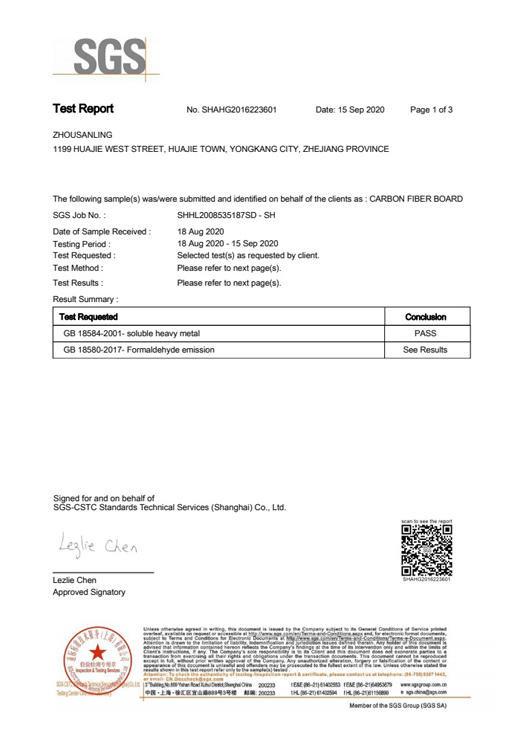
    The company has passed ISO 9001 quality management system, ISO 14001 environmental management system, with a complete quality management system. Our products are exported to North America, Europe, Southeast Asia, South America, , Africa and other areas, and we also provide brand processing services for major trading companies, providing one-stop service for customers from product mould design and development, quality control and production delivery.
    The company's business belief is: "high quality, cheap price, high efficiency". We are willing to take the customer's requirements as our own responsibility, constantly innovate, The company's business belief is: "high quality, cheap price, high efficiency". We are willing to take the customer's requirements as our own responsibility, constantly innovate, with the products, and the perfect service to thank our customers for their support.

  • Honor Show
  • FAQ

    Are you a trading company or factory?
    We are a professional manufacturer for doors, door skin panel and other door materials.

    How about delivery time?

    7-20 days for 1*40HQ .

    Can you offer samples? is it free or need to be paid?

    Sample pieces can be free with freight collected.

    What is your terms of payment?

    T/T (30% deposit before production, the balanced before goods delivery or against the copy of B/L)

    What is minimum order quantity?

    MOQ is 500 pieces.
  • Feedback

In door factories, product names often reflect which part of the structure a buyer focuses on. Some emphasize the surface layer, while others describe the finished application. From a manufacturing perspective, understanding how these terms connect helps clarify production logic, quality control, and practical use. The following questions explain how this category of interior door is made and evaluated.

Q1: What does a Wooden Door Skin mean in factory operations?

A Wooden Door Skin is the outer facing layer applied to a door core. In manufacturing, it is produced from thin wood-based sheets that are dried, trimmed, and calibrated to stable thickness. This preparation ensures the skin can be pressed evenly without surface distortion.

From an industry standpoint, a Wooden Door Skin allows factories to separate decorative processing from structural assembly. Surface materials are handled in dedicated areas, which helps maintain consistent texture and reduces disruption to the main production line. This approach also supports batch efficiency when multiple finishes are required.

Q2: How is a Veneer Door Skin handled differently during production?

A Veneer Door Skin highlights the use of natural wood veneer as the visible surface. Veneer sheets are selected, matched by tone, and sometimes reinforced with backing layers before pressing. These steps help manage the natural movement of wood fibers during bonding.

In factory practice, a Veneer Door Skin requires stricter moisture and temperature control than synthetic surfaces. Press cycles are adjusted to support stable adhesion while preserving the natural grain. This careful handling reflects the material's characteristics rather than decorative intent.

Q3: How does a Single Interior Door come together on the assembly line?

A Single Interior Door is formed when prepared skins are bonded to a core structure, such as honeycomb paper or engineered wood blocks. Adhesive is applied, and the assembly passes through a press where pressure and time are controlled. After curing, trimming and edge treatment complete the basic form.

From a manufacturing angle, a Single Interior Door benefits from skin-based construction because the internal structure remains consistent. Changing surface style does not require redesigning the core, which simplifies planning and supports flexible order handling.

Q4: Why do factories use different terms for one door solution?

Different markets emphasize different product features. Designers may focus on surface materials, while contractors often reference the installed door unit. Inside the factory, these terms are translated into specifications covering thickness, bonding method, and finishing steps.

The table below shows how production teams interpret terminology during planning:

Term emphasis Key manufacturing focus Typical control step
Wooden Door Skin Surface flatness Thickness calibration
Veneer Door Skin Grain consistency Moisture inspection
Single Interior Door Structural bonding Press pressure review

This method ensures consistent output regardless of how an order is described.

Q5: What quality checks apply to door skins before assembly?

Quality control starts at the surface stage. For a Wooden Door Skin, inspectors review smoothness, backing stability, and dimensional accuracy. Any unevenness may affect later pressing results.

When working with a Veneer Door Skin, visual variation and joint quality are examined under controlled lighting. These checks help reduce noticeable differences once the door is installed. Such inspections are part of routine manufacturing discipline rather than aesthetic preference.

Q6: How is final inspection handled for a Single Interior Door?

Once assembled, a Single Interior Door goes through functional and visual checks. Flatness, edge integrity, and surface adhesion are reviewed. Hardware preparation areas are also measured to ensure alignment during installation.

From a factory viewpoint, these inspections confirm that skin bonding and core performance work together as intended. The process focuses on usability and consistency rather than descriptive naming.

Q7: How does this structure support manufacturing flexibility?

Factories value this construction because it allows quick adaptation to project needs. A Single Interior Door can be produced in different finishes by switching surface materials without changing the internal workflow. Using a Wooden Door Skin enables variation in texture, while a Veneer Door Skin provides natural appearance with controlled processing.

This flexibility supports both large-volume orders and smaller customized batches within the same production system.

Looking at these doors through manufacturing logic explains why multiple terms describe the same product. Whether attention is placed on a Wooden Door Skin, a Veneer Door Skin, or the completed Single Interior Door, factories rely on standardized cores, controlled surface preparation, and systematic quality checks. Understanding this connection helps buyers and manufacturers communicate more effectively and align expectations with real production practices.