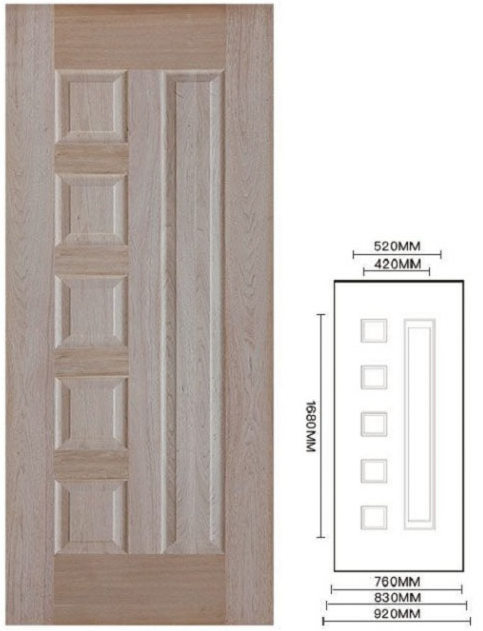
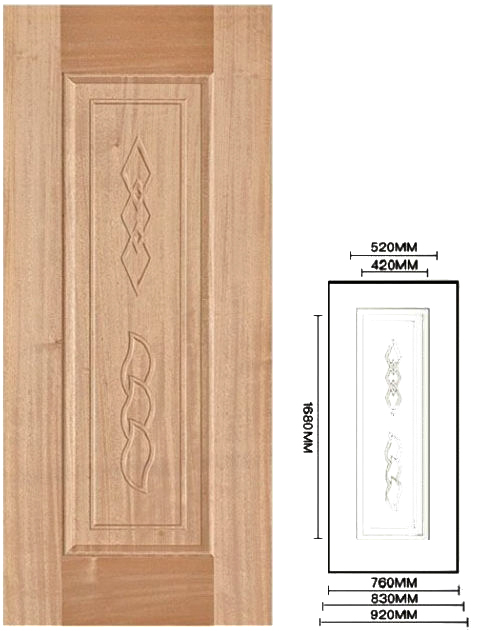
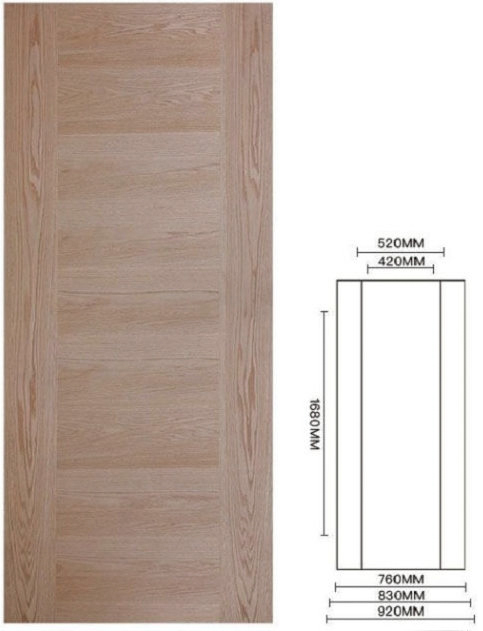
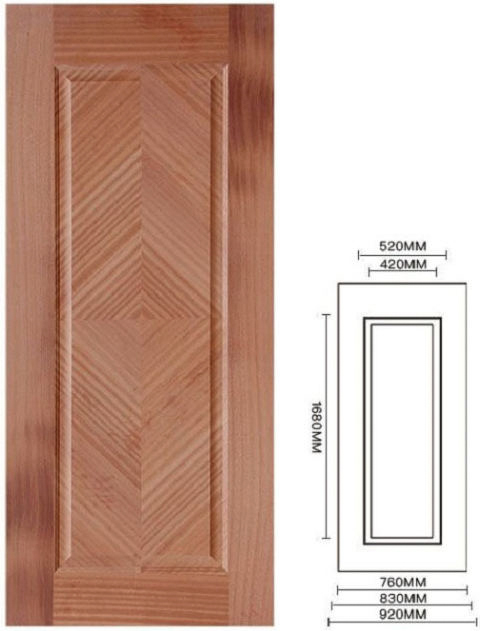
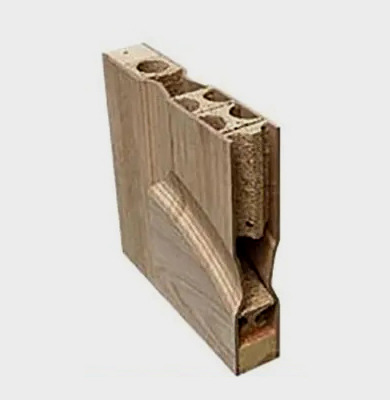
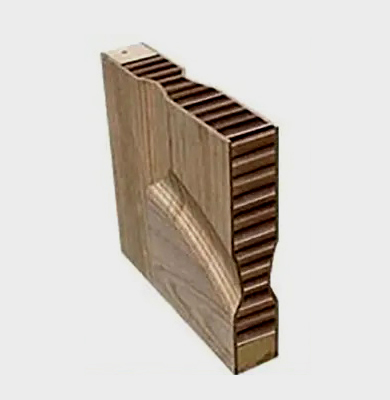
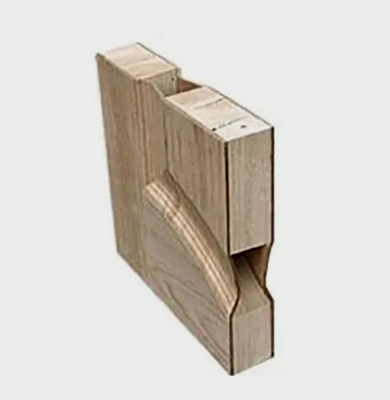
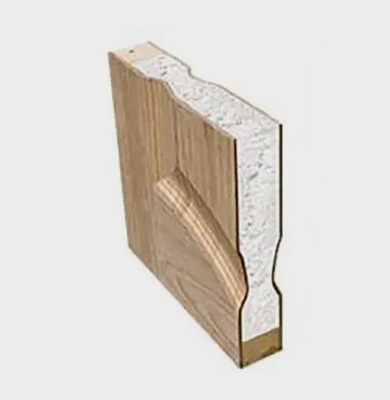
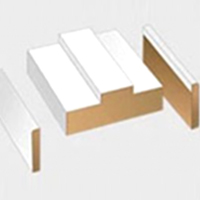
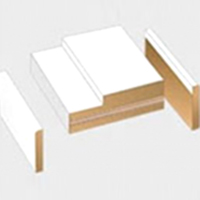
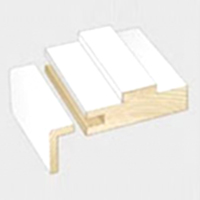
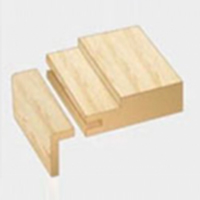
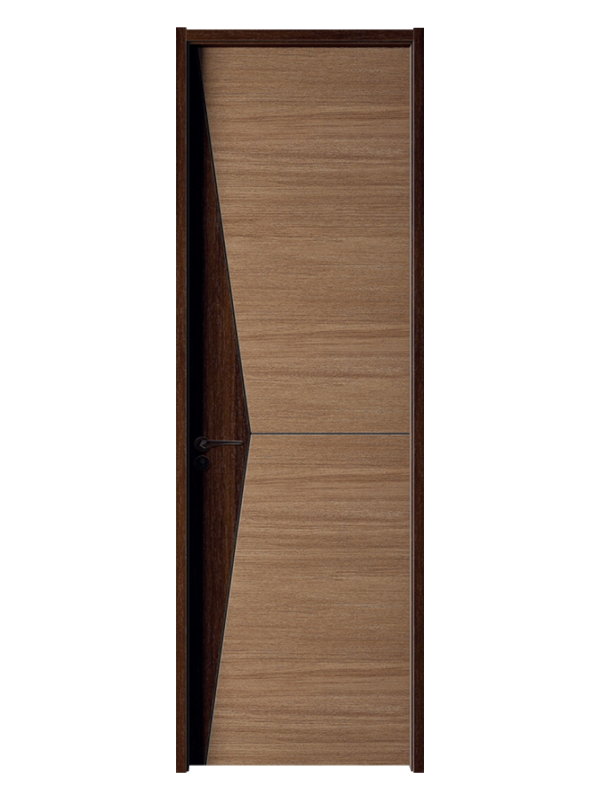
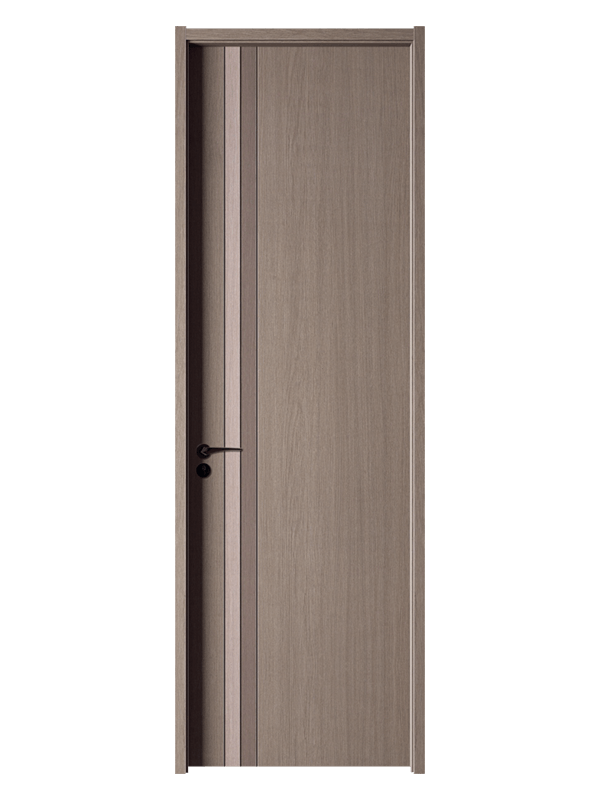
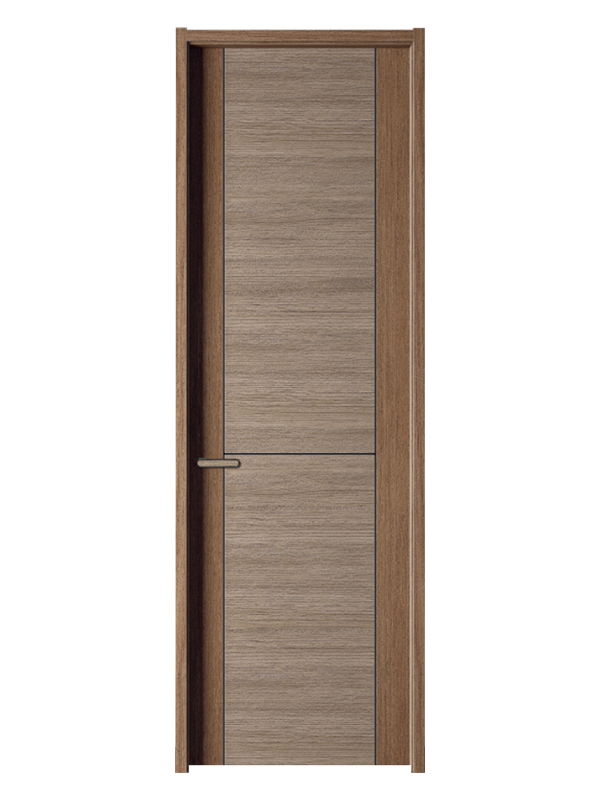
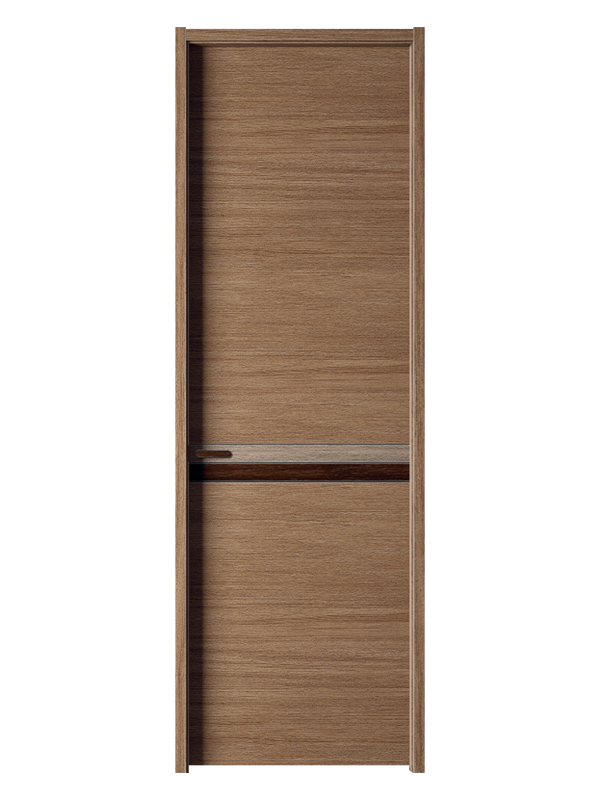
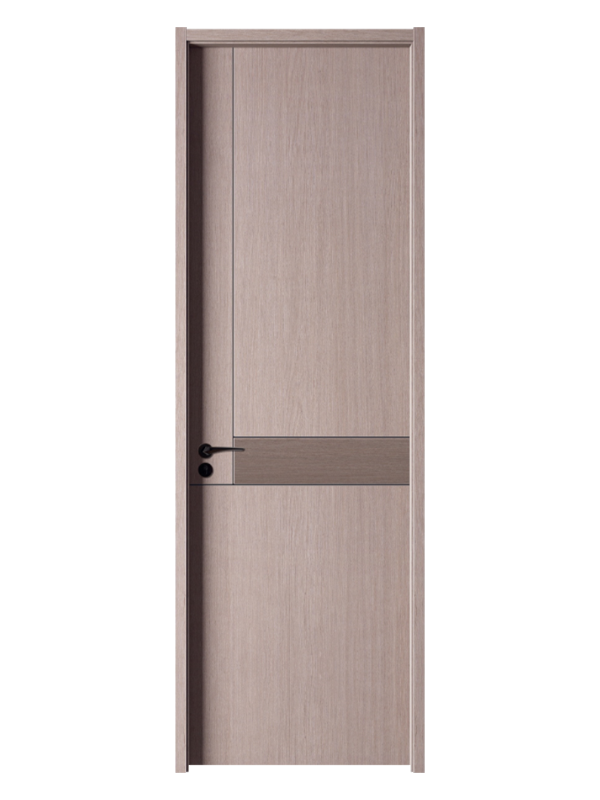
From a door manufacturing viewpoint, product choices are shaped by materials, processing methods, and long-term performance expectations. Buyers often ask how different interior door types are made and how they fit into various projects. Below, common questions are answered with a focus on Veneer Interior Door, Wood Door, and Melamine Ecological Door, explained through industry practices rather than marketing claims.
Q1: How does a Veneer Interior Door take shape in the factory?
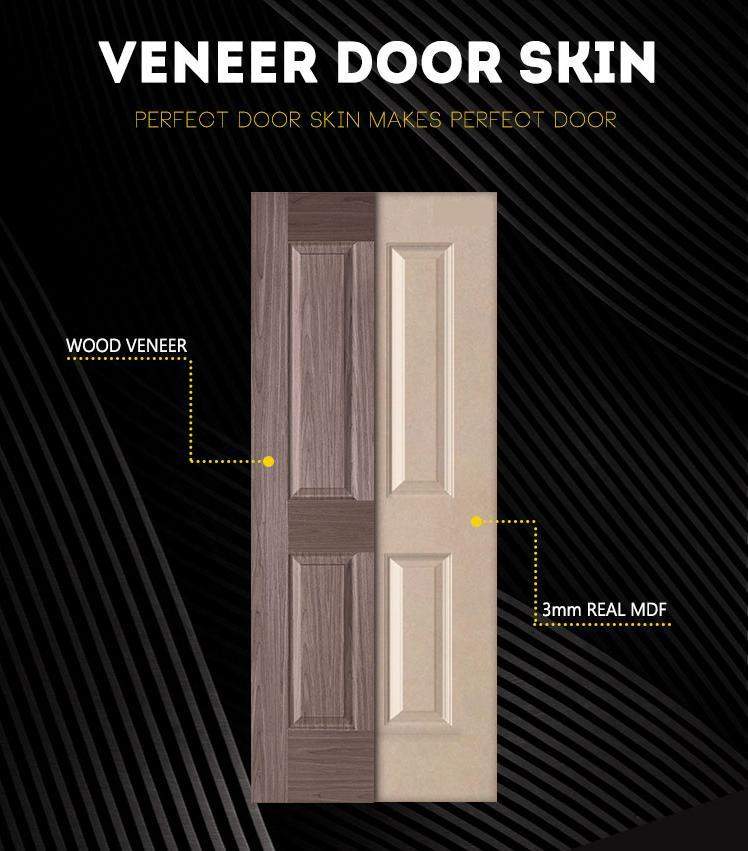
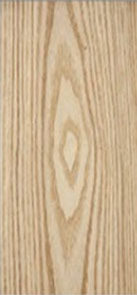
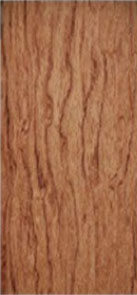
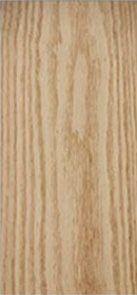
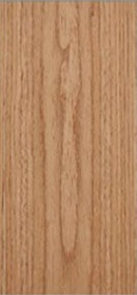
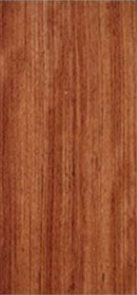
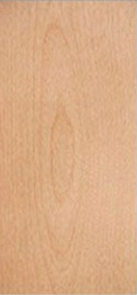
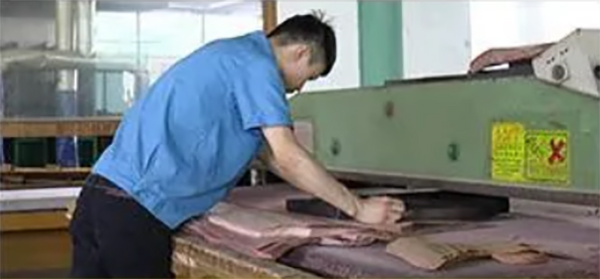
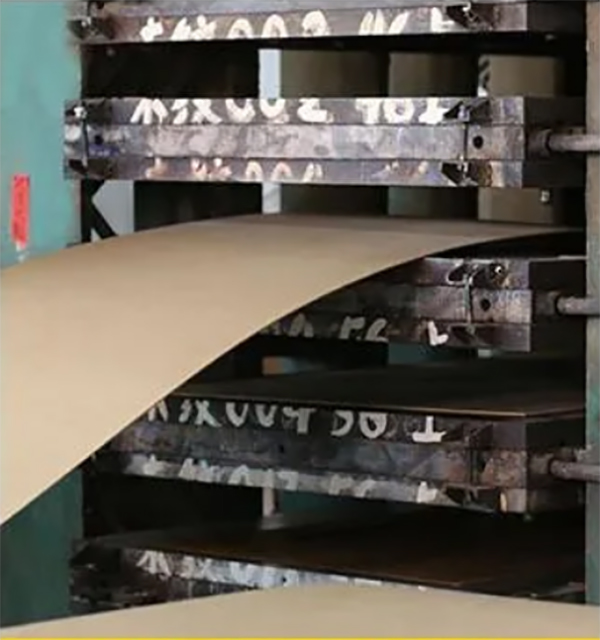
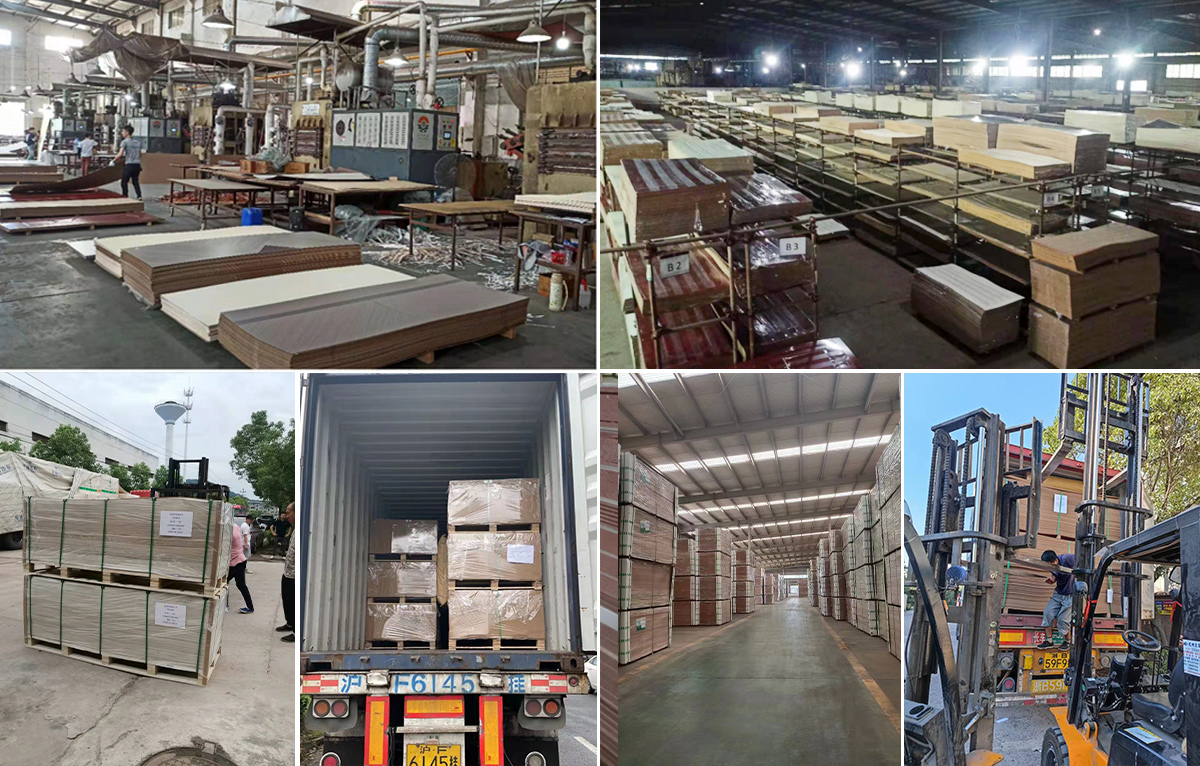
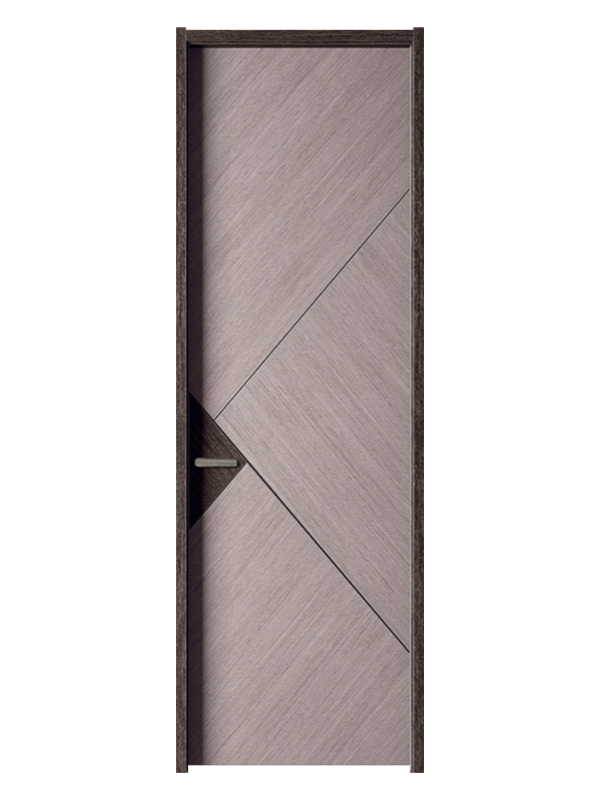
A Veneer Interior Door is built by bonding a thin layer of natural wood veneer onto an engineered core. In manufacturing, this approach allows visual consistency while controlling material usage. Veneer sheets are selected, pressed, and trimmed under controlled temperature and pressure to ensure stable adhesion.
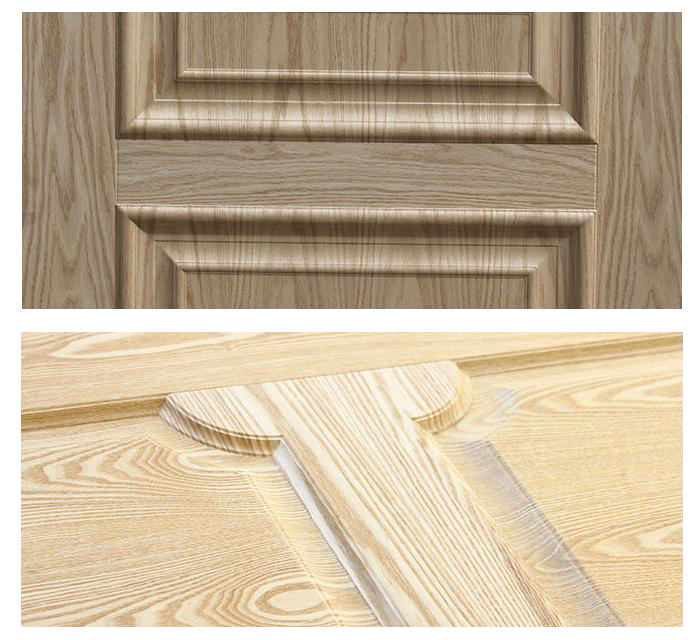
From a production standpoint, a Veneer Interior Door balances appearance and efficiency. Because the surface layer is real wood, finishing steps such as staining or clear coating must be handled carefully. Any variation in veneer grain can affect visual uniformity, so factories rely on sorting systems and skilled inspection to reduce mismatch.
Q2: What distinguishes a Wood Door during manufacturing?
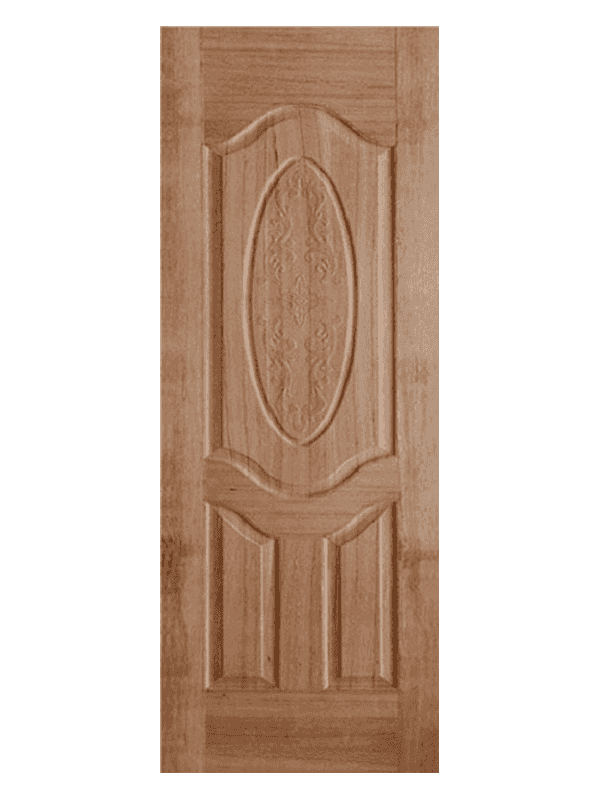
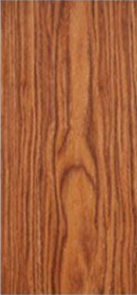
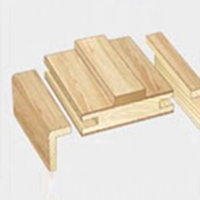
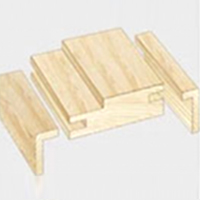
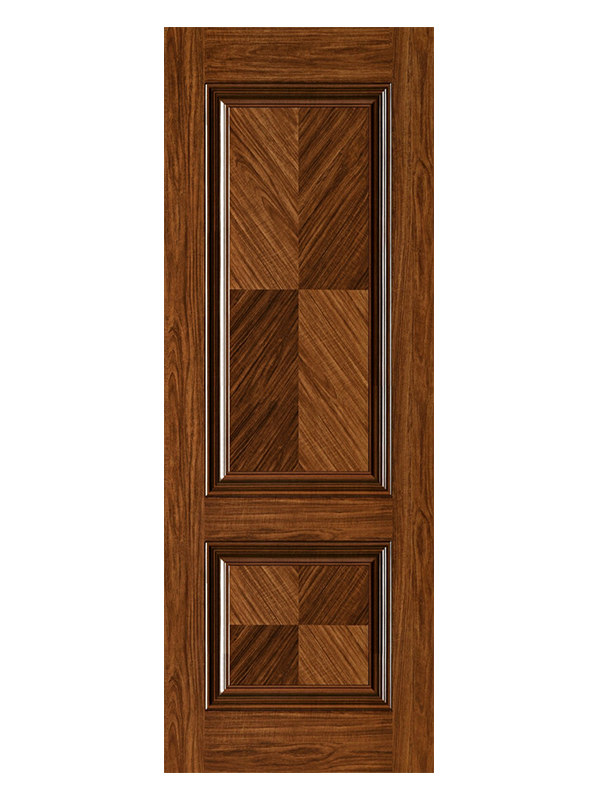
A Wood Door is typically made from solid timber or laminated wood blocks. The process involves drying raw lumber, cutting, jointing, and assembling panels or stiles. Moisture control is critical, as unmanaged humidity can cause deformation after installation.
In many factories, a Wood Door requires longer production cycles due to natural material behavior. Each batch may respond differently during machining and finishing, which adds inspection steps. While the material itself is familiar, manufacturing consistency depends heavily on process discipline and environmental control.
Q3: Why is a Melamine Ecological Door widely used in modern projects?
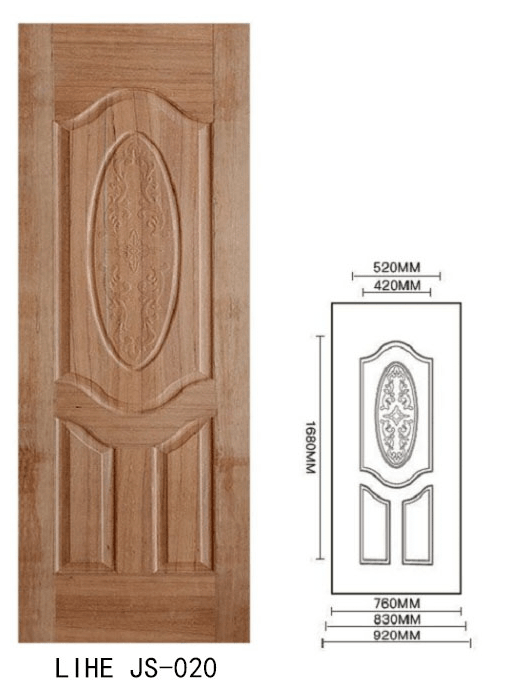
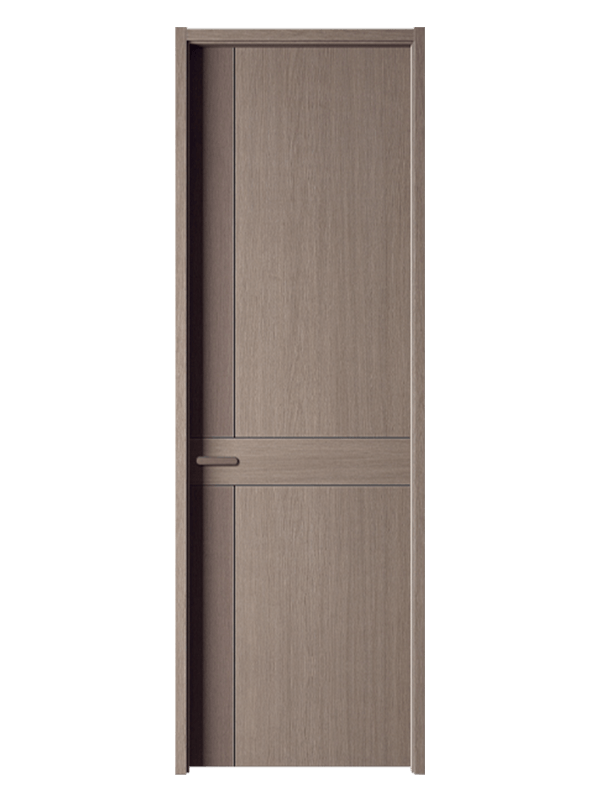
A Melamine Ecological Door is produced by applying melamine-impregnated paper to a substrate such as MDF or particle board. Heat and pressure fuse the decorative layer to the panel, forming a durable surface. This method allows stable color reproduction across large volumes.
From an industry angle, a Melamine Ecological Door supports standardized production. Patterns, textures, and colors are digitally defined, which reduces variation between batches. Factories often prefer this system for projects requiring predictable delivery schedules and uniform appearance.
Q4: How do manufacturers decide which door type suits a project?
Selection usually depends on usage conditions, design expectations, and production scale. Below is a simplified comparison from the manufacturing side:
| Aspect | Veneer Interior Door | Wood Door | Melamine Ecological Door |
| Surface material | Natural wood veneer | Solid or laminated wood | Melamine paper layer |
| Process stability | Medium | Variable | High |
| Batch consistency | Controlled by sorting | Depends on lumber | Digitally standardized |
| Maintenance focus | Surface protection | Humidity control | Edge sealing |
This comparison shows how manufacturing logic, rather than appearance alone, influences recommendations.
Q5: What quality checks apply across these door types?
Regardless of type, factories apply dimensional checks, surface inspection, and bonding tests. For a Veneer Interior Door, adhesion strength and surface flatness receive close attention. In the case of a Wood Door, internal stress and joint strength are commonly monitored. A Melamine Ecological Door undergoes surface wear and edge integrity testing to ensure stable use.
Each process reflects the material's behavior during machining and installation. Quality systems are adjusted accordingly rather than applied uniformly.
Q6: How do these doors fit long-term manufacturing trends?
From an industry perspective, diversity remains necessary. A Veneer Interior Door continues to serve projects where natural texture matters. A Wood Door remains relevant in traditional applications that value solid material presence. Meanwhile, a Melamine Ecological Door supports large-scale developments requiring consistency and efficient production flow.
Understanding door categories through manufacturing logic helps clarify why different options coexist. Each structure, from veneer-based construction to engineered surfaces, reflects specific production goals and material behaviors. By viewing doors as manufactured systems rather than simple products, buyers can align expectations with real-world performance and supply capabilities

英语
西班牙语
俄语
土耳其语
阿拉伯语
法语